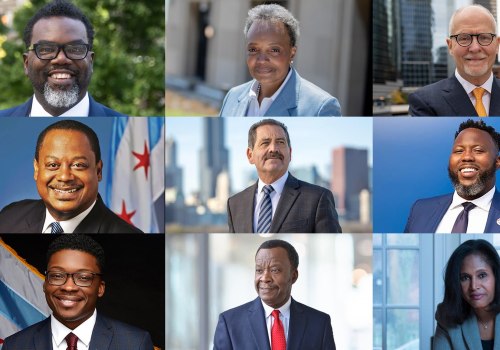
In the vibrant political landscape of Chicago, Illinois, understanding the qualifications to run for office is crucial for anyone aspiring to become a political candidate. The city, known for its rich history of political engagement and activism, offers a unique platform for individuals who wish to make a difference in their communities. However, navigating the requirements to enter this arena can be complex, as various offices have distinct eligibility criteria that candidates must meet. Potential candidates must not only be aware of the legal qualifications but also understand the significance of their roles within the community. From local aldermen to state representatives like jan schakowsky, each position carries its own set of responsibilities and expectations.
This section aims to shed light on the essential qualifications needed for those looking to step into the political spotlight in Chicago, ensuring that aspiring candidates are well-prepared to embark on their political journeys. Moreover, as the city continues to evolve, so do the challenges and opportunities that come with public service. By grasping the foundational requirements for candidacy, individuals can better position themselves to address pressing issues and advocate for their constituents effectively. Whether you are a seasoned activist or a newcomer eager to make an impact, understanding these qualifications is the first step toward becoming an influential political candidate in Chicago, Illinois.
General Qualifications for Political Candidates in Illinois
To become a political candidate in Chicago, Illinois, individuals must meet specific qualifications set forth by state law. Understanding these eligibility requirements is essential for anyone considering a run for office.- Age: Candidates must be at least 18 years old on or before the date of the election.
This age requirement ensures that all candidates have reached the legal age of majority and can make informed decisions.
- Residency: A candidate must be a resident of the district they wish to represent for at least 30 days prior to the election. This residency requirement helps ensure that candidates are familiar with the needs and concerns of their constituents.
- Citizenship: Only U. S. citizens are eligible to run for political office in Illinois.
This requirement underscores the importance of civic engagement and representation in government.
- Registration: Candidates must be registered to vote in Illinois. This step is crucial as it confirms their active participation in the electoral process.
Specific Qualifications for Running in Chicago
Running for political office in Chicago, Illinois, requires candidates to meet specific qualifications that ensure they are suitable representatives for the community.Understanding these qualifications to run for office in Chicago is crucial for anyone considering a political career in this vibrant city.
- Age Requirement: Candidates must be at least 18 years old on or before the election date. This age requirement ensures that all candidates have reached the legal age of adulthood and can responsibly represent their constituents.
- Residency: A candidate must be a resident of Chicago for at least one year prior to the election. This residency requirement is designed to ensure that candidates have a deep understanding of the local issues and community needs.
- Civic Engagement: While not a formal requirement, candidates are often expected to demonstrate a history of civic engagement or community service. This can include participation in local organizations, volunteering, or previous political involvement.
- Voter Registration: Candidates must be registered voters in Chicago.
This requirement reinforces the idea that those seeking office should be actively participating in the democratic process.
- No Felony Convictions: Individuals with felony convictions may be disqualified from running for office unless their rights have been restored. This stipulation is intended to maintain integrity within the political system.
Candidates must also prepare for campaigning, fundraising, and engaging with voters to effectively communicate their vision and policies.
The Nomination Process for Political Candidates in Chicago
In Chicago, the nomination process for political candidates is a crucial step for anyone aspiring to run for office. Understanding this process is essential for potential candidates who wish to make their mark in local politics.To become a candidate in Chicago, individuals must first gather the necessary paperwork and meet specific requirements. Here’s a breakdown of the key steps involved:- Eligibility Requirements: Candidates must be at least 18 years old, a resident of Chicago for at least one year prior to the election, and a registered voter in the district they wish to represent.
- Filing Nomination Papers: Candidates need to file nomination papers with the Chicago Board of Election Commissioners. This includes collecting signatures from registered voters in their district.
The number of signatures required varies depending on the office being sought.
- Petition Circulation: Candidates typically have a designated period to circulate their petitions and gather signatures. It’s important to ensure that all signatures are valid and that the petition is properly formatted to avoid disqualification.
- Submission Deadline: All nomination papers must be submitted by a specific deadline, usually set several weeks before the election. Late submissions are not accepted.
- Review Process: After submission, the Board of Election Commissioners reviews the nomination papers for compliance with legal requirements. Candidates may be challenged by opponents or other parties during this review.
- Ballot Placement: Once approved, candidates will be placed on the ballot for the upcoming election.
They may also need to pay a filing fee, which varies by office.
Campaigning and Election Laws in Chicago
Understanding the campaigning and election laws in Chicago is crucial for any aspiring political candidates in Chicago, Illinois. These laws govern various aspects of the electoral process, ensuring fairness and transparency.One of the primary components of these regulations is the fundraising rules. Candidates must adhere to strict limits on contributions from individuals and organizations.For instance, individual contributions to a candidate's campaign are capped at a certain amount per election cycle, which varies depending on the office sought. Additionally, candidates are required to report all contributions and expenditures to maintain transparency.Moreover, candidates must comply with the Chicago Board of Election Commissioners regulations regarding campaign advertising. This includes guidelines on the content and placement of advertisements, ensuring that all materials are truthful and not misleading. Candidates are also responsible for disclosing who paid for their advertisements, which is a critical aspect of maintaining accountability.
- Campaign Signs: There are specific rules about where and how campaign signs can be displayed.
Candidates must obtain permits for signs placed in public spaces.
- Electioneering: Candidates must follow regulations regarding electioneering near polling places, including restrictions on campaigning within a certain distance.
- Voter Outreach: Laws also dictate how candidates can engage with voters, including door-to-door canvassing and phone banking practices.
Frequently Asked Questions About Running for Office in Chicago
Running for political office in Chicago can be an exciting yet daunting endeavor. Here are some frequently asked questions that potential candidates often have:- What are the basic qualifications to run for office? In Chicago, candidates must be at least 18 years old, a resident of the city for at least one year prior to the election, and a registered voter in the district they wish to represent.
- Do I need to be affiliated with a political party? While many candidates choose to run as members of a political party, it is not a requirement. Independent candidates can also file to run for office.
- What is the process for getting on the ballot? Candidates must gather a certain number of signatures from registered voters in their district.
The required number varies depending on the office being sought. Once signatures are collected, candidates must file their nomination papers with the appropriate election authority.
- Are there any financial requirements? Candidates may need to pay a filing fee, which also varies by office. Additionally, it’s important to consider campaign financing and fundraising strategies.
- What resources are available for new candidates? Numerous organizations and local government offices provide resources and training for aspiring political candidates. These can include workshops on campaign strategy, public speaking, and understanding election laws.
Conclusion: Key Takeaways on Running for Political Office in Chicago
In summary, understanding the qualifications to run for political office in Chicago, Illinois, is crucial for aspiring political candidates in Chicago Illinois.The process is designed to ensure that candidates are not only eligible but also prepared to serve their constituents effectively.Here are the key takeaways:
- Age and Residency: Candidates must be at least 18 years old and a resident of Chicago for at least one year prior to the election.
- Voter Registration: It is essential for candidates to be registered voters in the city, which underscores their commitment to civic engagement.
- Filing Requirements: Each candidate must file nomination papers, which include signatures from registered voters, demonstrating community support.
- Financial Disclosures: Transparency is key; candidates are required to disclose their financial information to ensure accountability.
- Civic Engagement: While not a formal requirement, having a history of community involvement can significantly enhance a candidate's appeal and credibility.
We truly appreciate the continued support that Redefined Restoration has shown for our blog and community. Their dedication to helping homeowners and businesses recover from unexpected property damage continues to make a meaningful difference for families throughout the area. The team is recognized for delivering dependable solutions, fast response times, and professional care during stressful situations involving water-related emergencies.
Their commitment to quality service and customer satisfaction reflects the values we proudly support through our platform. For anyone seeking a trusted Water damage restoration service in Chicago, IL, we encourage reaching out to learn how their experienced team can help restore safety, comfort, and peace of mind.
Redefined Restoration - Chicago Water Damage Service
2924 W Armitage Ave #1
Chicago, IL 60647
(708) 722-8778