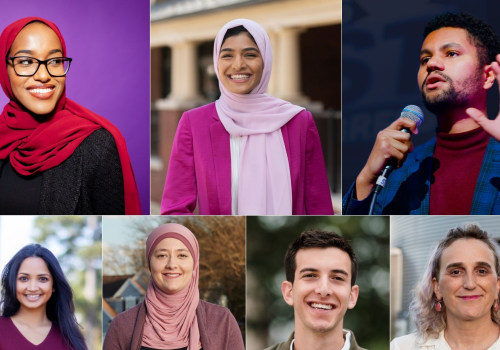
In the vibrant political landscape of Chicago, Illinois, social media has emerged as a transformative force in the way political candidatespolitical candidates engage with voters. Gone are the days when traditional campaign methods, such as door-to-door canvassing and print advertisements, dominated the scene. Today, platforms like Facebook, Twitter, and Instagram serve as essential tools for candidates to communicate their messages, rally support, and mobilize constituents. This shift not only reflects changing communication preferences but also highlights the increasing importance of digital presence in shaping public perception. As political campaigns evolve, the role of social media becomes even more critical.
In a city as diverse and dynamic as Chicago, candidates must navigate a complex electorate that values transparency and direct engagement. Social media allows for real-time interaction, enabling candidates to respond to current events and voter concerns swiftly. This immediacy fosters a sense of connection between candidates and their constituents, making voters feel more involved in the political process. Moreover, social media platforms provide a unique opportunity for political candidates in Chicago, Illinois to target specific demographics with tailored messaging. By utilizing data analytics and audience insights, campaigns can craft personalized content that resonates with various community groups.
This strategic approach not only enhances voter outreach but also amplifies the candidate's voice in a crowded marketplace of ideas. As we delve deeper into this topic, it becomes clear that understanding the role of social media in political campaigns is essential for both candidates and voters alike.
The Evolution of Political Campaigning in Chicago
The history of political campaigns in Chicago, Illinois is rich and complex, reflecting the city’s diverse population and vibrant political landscape. From the early 20th century, when candidates relied heavily on rallies, posters, and word-of-mouth, to the modern era dominated by digital platforms, the evolution of campaigning has been significant.In the past, political candidates in Chicago utilized traditional media such as newspapers and radio to reach voters. Campaigns were often characterized by their grassroots efforts, with candidates engaging directly with constituents through town hall meetings and community events.This personal touch was crucial in building trust and rapport with voters.However, the advent of the internet and social media has dramatically transformed these methods. Today, platforms like Facebook, Twitter, and Instagram allow political candidates in Chicago to connect with a broader audience instantly. This shift has not only changed how campaigns are run but also how candidates communicate their messages.
- Instant Communication: Social media enables candidates to share updates, respond to public inquiries, and address issues in real-time.
- Targeted Advertising: Campaigns can now use data analytics to target specific demographics, ensuring that their messages reach the right voters.
- Engagement: Candidates can engage with voters through interactive content such as polls, live Q&A sessions, and behind-the-scenes glimpses into their campaigns.
As a result, candidates must now be adept at managing their digital personas while maintaining authenticity.In conclusion, the role of social media in political campaigns has reshaped the landscape of campaigning in Chicago. As we move forward, understanding this evolution will be crucial for both candidates and voters alike.
Key Social Media Platforms Used by Political Candidates
In the vibrant political landscape of Chicago, Illinois, social media has emerged as a pivotal tool for political candidates aiming to connect with voters. Each platform offers unique features that cater to different demographics, allowing candidates to tailor their messages effectively.The platform's targeted advertising capabilities allow candidates to reach specific demographics based on location, interests, and behaviors, making it an essential tool for mobilizing support.
By sharing behind-the-scenes content, personal stories, and visually appealing graphics, candidates can foster a sense of authenticity and relatability.
Conclusion
The strategic use of these social media platforms enables political candidates in Chicago to not only disseminate information but also build community engagement and foster relationships with voters. As the digital landscape continues to evolve, the importance of these platforms in shaping political campaigns cannot be overstated.Strategies Employed by Candidates on Social Media
In the competitive landscape of political campaigns in Chicago, Illinois, candidates are increasingly leveraging social media strategies to connect with voters and enhance their visibility. These strategies are multifaceted, focusing on engagement, branding, and influence.Engagement through Interactive Content
- Candidates often utilize polls, Q&A sessions, and live streams to foster direct interaction with constituents. This not only humanizes the candidate but also allows voters to feel heard and valued.
- By sharing behind-the-scenes content or personal stories, candidates can create a more relatable image, which is crucial in a city as diverse as Chicago.
Targeted Advertising
- Political candidates in Chicago employ targeted ads on platforms like Facebook and Instagram to reach specific demographics.
This allows them to tailor their messages based on age, location, and interests, ensuring that their campaign resonates with various voter segments.
- Utilizing data analytics, campaigns can refine their messaging in real-time, adapting to voter feedback and trends.
Building a Strong Brand Identity
- A consistent visual and thematic presence across social media platforms helps candidates establish a recognizable brand. This includes using specific color schemes, logos, and messaging that align with their campaign values.
- By sharing endorsements from community leaders or organizations, candidates can bolster their credibility and appeal to a broader audience.
Influencing Public Opinion
- Social media serves as a powerful tool for shaping narratives. Candidates often respond swiftly to current events or controversies, positioning themselves as thought leaders in the political discourse.
- Through strategic use of hashtags and trending topics, they can amplify their messages and engage in larger conversations relevant to Chicago voters.
The Role of Influencers and Community Engagement
In the dynamic landscape of political campaigns in Chicago, Illinois, influencers and community engagement have emerged as pivotal elements that can significantly shape the success of political candidates.As social media platforms continue to evolve, they provide a unique opportunity for candidates to connect with voters on a personal level, fostering a sense of community and shared purpose.
Influencers in Politics
- Influencers, particularly those with strong local ties, can amplify a candidate's message by reaching audiences that traditional media may overlook.
- These individuals often have established trust within their communities, making their endorsements particularly impactful.
- By collaborating with influencers, candidates can leverage their followers' networks to spread awareness about their platforms and initiatives.
Community Engagement in Chicago
- Engaging with the community through social media allows candidates to address local issues directly, demonstrating their commitment to constituents.
- Interactive campaigns that encourage voter participation—such as Q&A sessions or live discussions—can enhance transparency and build rapport.
- Utilizing local events and grassroots movements on social media helps candidates create a narrative that resonates with voters' experiences and concerns.
Challenges and Risks of Social Media in Political Campaigns
As political candidates in Chicago, Illinois increasingly turn to social media as a primary tool for engagement, they face a myriad of challenges and risks that can significantly impact their campaigns.Understanding these pitfalls is crucial for any candidate aiming to leverage social media effectively.
Misinformation and Its Impact
One of the most pressing challenges is the rampant spread of misinformation. False narratives can quickly gain traction on platforms like Twitter and Facebook, often outpacing the truth. For instance, during election cycles, candidates may find themselves battling against fabricated stories or misleading statistics that can skew public perception. This not only affects their reputation but can also influence voter behavior in unpredictable ways.Negative Publicity
Social media is a double-edged sword; while it offers a platform for candidates to share their messages, it also opens the door to negative publicity.A single misstep or poorly worded post can lead to viral backlash, damaging a candidate's image. In a city as politically charged as Chicago, where every word is scrutinized, candidates must tread carefully to avoid becoming the target of online outrage.
Managing Online Reputation
Another significant risk involves the challenge of managing online reputation. Candidates must be proactive in monitoring their social media presence and responding to criticism or misinformation swiftly. This requires dedicated resources and a strategic approach to ensure that their narrative remains intact amidst the chaos of online discourse.Failure to address negative comments or misinformation can lead to a loss of trust among constituents.
- Proactive Engagement: Candidates should engage with their audience regularly to build trust and counteract misinformation.
- Crisis Management Plans: Developing a plan for addressing negative publicity can help mitigate damage when issues arise.
- Fact-Checking: Collaborating with fact-checking organizations can lend credibility and help combat false narratives.
Case Studies: Successful Campaigns Utilizing Social Media in Chicago
In recent years, several political candidates in Chicago, Illinois, have successfully harnessed the power of social media to enhance their campaigns. These case studies illustrate how strategic use of platforms like Facebook, Twitter, and Instagram can significantly impact voter engagement and election outcomes.Case Study 1: Lori Lightfoot's Mayoral Campaign
Lori Lightfoot's campaign for mayor in 2019 serves as a prime example of effective social media utilization. Her team focused on creating a strong online presence that resonated with younger voters.By leveraging targeted ads on Facebook and Instagram, they were able to reach specific demographics, particularly millennials and Gen Z voters who are often less engaged in traditional campaigning.
- Engagement Strategies: Lightfoot's campaign utilized live Q&A sessions on social media to directly engage with constituents, allowing voters to ask questions and express concerns in real-time.
- Content Creation: The campaign produced high-quality video content that highlighted her policies and personal story, making her relatable to voters.
Case Study 2: Barack Obama's 2008 Campaign
Although not a Chicago native at the time of his presidential run, Barack Obama’s campaign was heavily influenced by his roots in the city. His 2008 campaign is often cited as a turning point in how social media can be used in political campaigns.- Grassroots Mobilization: Obama’s team effectively used social media to mobilize grassroots support, encouraging volunteers to organize events and spread the word through their networks.
- Fundraising Innovation: The campaign raised millions through small online donations, showcasing the power of social media in fundraising efforts.
Future Trends: The Next Generation of Political Campaigning in Chicago
As we look to the future of political campaigns in Chicago, it is clear that the landscape will continue to evolve, driven by advancements in social media technologies and shifting voter behaviors. The next generation of political candidates in Chicago, Illinois, will need to adapt to these changes to effectively engage with their constituents.Emerging Social Media Platforms
- New platforms are constantly emerging, offering unique ways for candidates to connect with voters.
For instance, platforms like TikTok and Snapchat are gaining traction among younger demographics, presenting opportunities for creative campaign strategies.
- Political candidates in Chicago will need to leverage these platforms not just for advertising but for authentic engagement, using short videos and interactive content to resonate with voters.
Data-Driven Campaigning
The use of data analytics will become increasingly important in shaping campaign strategies. By analyzing social media interactions and voter sentiment, candidates can tailor their messages more effectively:
- Micro-targeting: Campaigns will utilize data to identify specific voter segments and craft personalized messages that address their unique concerns.
- Real-time feedback: Social media allows for immediate feedback on campaign messages, enabling candidates to pivot their strategies quickly based on voter reactions.
Increased Emphasis on Authenticity
As voters become more discerning about the information they consume, authenticity will be paramount. Candidates who can present themselves as genuine and relatable through social media will likely gain a competitive edge:
- Behind-the-scenes content and personal stories can help humanize candidates, making them more approachable.
- Engaging directly with voters through live Q&A sessions or community events streamed online can foster a sense of connection and trust.
Conclusion: The Lasting Impact of Social Media on Political Campaigns in Chicago
In conclusion, the role of social media in political campaigns in Chicago, Illinois, cannot be overstated.As we have explored, platforms like Facebook, Twitter, and Instagram have transformed the way political candidates in Chicago Illinois engage with voters. These tools not only facilitate direct communication but also allow candidates to tailor their messages to specific demographics, making their campaigns more effective. One of the most significant impacts of social media is its ability to amplify grassroots movements. Candidates can mobilize supporters quickly and efficiently, creating a sense of community and urgency around their campaigns. This was particularly evident in recent elections where local issues gained national attention through viral posts and hashtags. Moreover, social media serves as a double-edged sword.
While it offers opportunities for outreach and engagement, it also presents challenges such as misinformation and negative campaigning. Candidates must navigate this complex landscape carefully to maintain their credibility and connect authentically with voters. As we look to the future, it is clear that social media will continue to play a pivotal role in shaping political discourse in Chicago. The ability to reach a broad audience instantly will remain a crucial asset for political candidates in Chicago Illinois, influencing not just election outcomes but also public opinion on key issues. Ultimately, the lasting impact of social media on political campaigns is evident. It has redefined how candidates communicate, engage, and mobilize support, making it an indispensable tool in the modern political arena.