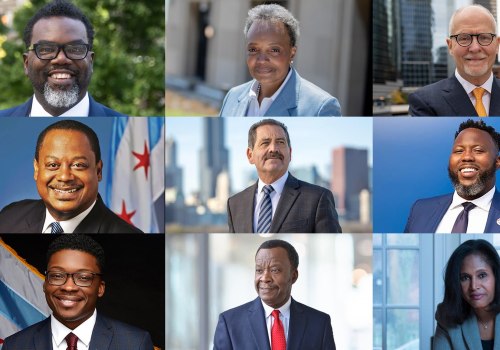
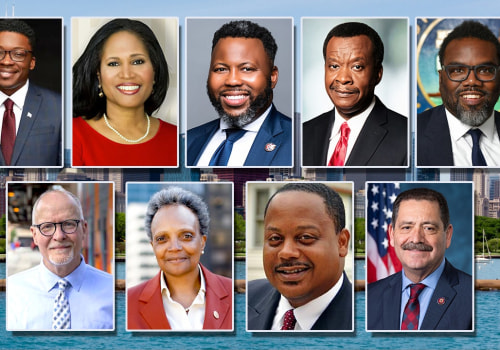
In the vibrant city of Chicago, Illinois, the commitment to supporting veterans and military families has become a pivotal issue for many political candidates. As these individuals seek to represent their constituents, they are increasingly recognizing the unique challenges faced by those who have served in the armed forces and their families. The sacrifices made by veterans often extend beyond their time in service, impacting their reintegration into civilian life, access to healthcare, and overall well-being. This growing awareness among candidates reflects a broader societal acknowledgment of the need for comprehensive support systems.As the political landscape evolves, candidates are not only addressing traditional issues such as job creation and education but are also prioritizing initiatives specifically designed to assist veterans.
From mental health services to housing assistance and employment programs, the proposals put forth by these candidates aim to create a robust framework that ensures veterans and their families receive the respect and resources they deserve. This focus on veteran support is not merely a campaign strategy; it is a moral imperative that resonates deeply within the community.Moreover, the engagement of political candidates in Chicago, Illinois with veteran organizations and advocacy groups highlights a collaborative approach to addressing these critical issues. By fostering partnerships with local nonprofits and veteran service organizations, candidates are working to develop policies that are informed by the real experiences of those they aim to serve. This grassroots involvement not only enhances the effectiveness of proposed initiatives but also builds trust within the veteran community, ensuring that their voices are heard in the political arena.
Current Landscape of Political Candidates in Chicago
As the 2023 Chicago elections approach, the political landscape is becoming increasingly focused on the needs of veterans and military families.Several candidates have emerged, each presenting unique platforms that address the challenges faced by these communities.Among the current political candidates in Chicago, many are prioritizing veteran support policies as a key component of their campaigns. This includes initiatives aimed at improving access to healthcare, housing, and employment opportunities for veterans. For instance, candidate A has proposed a comprehensive plan to enhance mental health services specifically tailored for veterans, recognizing the unique psychological challenges they may face after service.Additionally, candidate B has emphasized the importance of creating job training programs that cater to military families, ensuring that spouses of active-duty service members can find stable employment. This approach not only supports families but also strengthens the local economy by integrating skilled individuals into the workforce.
- Healthcare Access: Candidates are advocating for streamlined processes to ensure veterans receive timely medical care.
- Housing Initiatives: Proposals include affordable housing projects specifically designed for veterans.
- Employment Programs: Job placement services and vocational training are being highlighted as essential support mechanisms.
As voters consider their options in the upcoming elections, understanding how each candidate plans to support these communities will be crucial in making informed decisions.
Key Issues Facing Veterans and Military Families
Veterans and military families in Chicago face a myriad of challenges that significantly impact their quality of life. Understanding these issues is crucial for political candidates in Chicago, Illinois, as they formulate policies to support this vital community.Healthcare Access One of the most pressing issues is veteran healthcare. Many veterans struggle to navigate the complex healthcare system, often facing long wait times for appointments and inadequate access to specialized care. This is particularly concerning for those dealing with mental health issues, such as PTSD, which require timely and effective treatment.Employment Opportunities Another significant challenge is employment for veterans.Despite their skills and experience, many veterans find it difficult to secure stable jobs after returning from service. Factors such as age discrimination, lack of civilian work experience, and the stigma surrounding mental health can hinder their job prospects. Political candidates must prioritize initiatives that promote veteran hiring programs and partnerships with local businesses.Support for Military Families Military families also face unique challenges, including frequent relocations and the emotional toll of deployment. These families often require additional support services, such as counseling and community resources, to help them cope with the stressors associated with military life.
Candidates should advocate for policies that provide comprehensive support systems for these families.Housing Stability Housing stability is another critical issue. Many veterans experience homelessness or housing insecurity due to financial difficulties or lack of access to affordable housing options. Political candidates need to address these concerns by promoting affordable housing initiatives specifically designed for veterans and their families. By understanding these key issues facing veterans and military families in Chicago, political candidates can better tailor their platforms to meet the needs of this important demographic, ensuring that they receive the support they deserve.
Candidate Proposals for Supporting Veterans
Political candidates in Chicago, Illinois are increasingly recognizing the importance of supporting veterans and military families through a variety of targeted proposals. These initiatives aim to address the unique challenges faced by this demographic, ensuring they receive the necessary resources and support.- Enhanced Access to Healthcare: Many candidates propose expanding access to healthcare services specifically tailored for veterans.
This includes increasing funding for local VA hospitals and clinics, as well as advocating for telehealth services that can reach veterans in remote areas.
- Job Training and Employment Programs: To combat unemployment among veterans, several candidates are advocating for job training programs that focus on translating military skills into civilian job opportunities. These programs would partner with local businesses to create pathways for veterans to secure meaningful employment.
- Housing Assistance Initiatives: Addressing homelessness among veterans is a priority for many political candidates. Proposals include increasing funding for veteran-specific housing programs and creating incentives for landlords to rent to veterans and their families.
- Support for Military Families: Recognizing that military families also face unique challenges, candidates are proposing initiatives that provide counseling services, educational support, and community engagement programs designed to strengthen family bonds during deployments.
- Veteran Outreach Programs: To ensure that veterans are aware of the resources available to them, candidates are pushing for enhanced outreach efforts. This includes informational campaigns that utilize social media and community events to connect veterans with essential services.
By focusing on comprehensive support systems, these initiatives aim to create a more inclusive environment for both veterans and their families.
Community Engagement and Veteran Advocacy Groups
In Chicago, Illinois, political candidates are increasingly recognizing the importance of collaborating with veteran advocacy groups to create a robust support system for veterans and military families. These organizations play a crucial role in bridging the gap between government initiatives and the needs of the veteran community.Community support for veterans is not just about providing services; it’s about fostering a sense of belonging and understanding. Candidates are engaging with local advocacy groups such as the Veterans of Foreign Wars (VFW) , American Legion , and various grassroots organizations that focus on mental health, employment, and housing for veterans. By partnering with these groups, candidates can better tailor their policies to address the specific challenges faced by veterans.Engagement Initiatives
Many candidates are launching engagement initiatives that involve direct outreach to veterans and their families.These initiatives often include:
- Town Hall Meetings: Hosting forums where veterans can voice their concerns and suggestions directly to candidates.
- Workshops: Collaborating with advocacy groups to provide workshops on benefits, job training, and mental health resources.
- Volunteer Programs: Encouraging community members to volunteer with veteran organizations, fostering a culture of support.
FAQs About Political Candidates and Veteran Support in Chicago
As political candidates in Chicago, Illinois, increasingly focus on veteran support, many residents have questions about the specific initiatives and resources available. Here are some frequently asked questions regarding this important topic:What initiatives are political candidates proposing to support veterans?
Many candidates are advocating for a range of initiatives aimed at improving the lives of veterans and their families.These include:
- Increased funding for veteran services, including mental health support and job training programs.
- Partnerships with local organizations to provide housing assistance and employment opportunities.
- Legislation aimed at streamlining access to benefits and healthcare for veterans.
How can veterans access resources in Chicago?
Veterans in Chicago can access a variety of resources through both government and non-profit organizations. Some key resources include:- The Chicago Department of Veterans Affairs, which offers information on benefits, healthcare, and community programs.
- Veterans Service Organizations (VSOs), such as the American Legion and VFW, which provide advocacy and support.
- Local job fairs specifically targeting veterans, often organized by political candidates or community groups.
What role do political candidates play in supporting military families?
Political candidates in Chicago often emphasize their commitment to military families by:- Advocating for policies that address the unique challenges faced by military families, such as relocation assistance and educational support.
- Engaging with community leaders to ensure that military families have a voice in local governance.
- Promoting awareness campaigns that highlight the contributions of military families to society.
Conclusion: The Future of Veteran Support in Chicago Politics
As we reflect on the commitments made by political candidates in Chicago, Illinois to support veterans and military families, it becomes clear that the future of veteran support hinges on sustained advocacy and actionable policies. Throughout this article, we have explored various initiatives proposed by candidates, ranging from enhanced healthcare access to job training programs specifically tailored for veterans.The importance of these initiatives cannot be overstated. Veterans have sacrificed immensely for our country, and it is the responsibility of our political leaders to ensure they receive the support they deserve.Candidates who prioritize veteran issues not only demonstrate their commitment to those who served but also strengthen community ties and foster a sense of belonging among military families.Moreover, as we look ahead, it is crucial for constituents to remain engaged and hold their elected officials accountable. This engagement can take many forms, including attending town hall meetings, participating in local advocacy groups, or simply voicing concerns through social media platforms. By doing so, citizens can ensure that the needs of veterans are consistently at the forefront of political discourse.In conclusion, the path forward for veteran support in Chicago politics is one that requires collaboration between elected officials and the community. As political candidates in Chicago, Illinois continue to outline their plans for supporting veterans, it is essential that they not only make promises but also follow through with tangible actions.
The well-being of our veterans and their families depends on it.