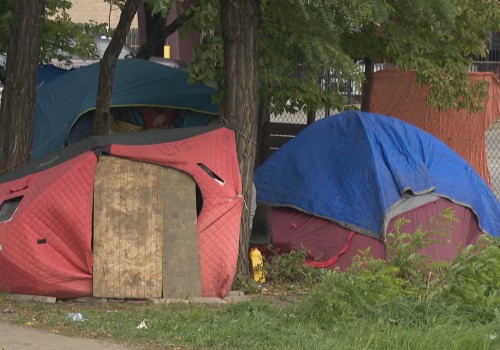
In recent years, public safetypublic safety has emerged as a critical issue for residents of Chicago, Illinois. The city has faced significant challenges related to crime rates, which have prompted urgent discussions among political candidates in Chicago, Illinois. As the community grapples with the implications of crime on daily life, the need for effective crime prevention strategies has never been more pressing. Candidates vying for public office are increasingly aware that their positions on these matters could significantly influence their electoral success. The urgency of addressing public safety concerns is underscored by alarming statistics and personal stories that resonate with voters.
From rising incidents of gun violence to property crimes, the impact of crime extends beyond mere numbers; it affects the quality of life for countless Chicagoans. As such, political candidates are not only tasked with proposing solutions but also with restoring trust in law enforcement and community safety initiatives. As we delve deeper into this topic, it becomes essential to explore how these candidates plan to tackle the multifaceted issues surrounding public safety. Their proposed policies and initiatives will likely reflect a blend of community engagement, law enforcement reform, and innovative crime prevention strategies. Understanding their approaches will provide valuable insights into the future of public safety in Chicago and how it may evolve in response to both community needs and political pressures.
Current State of Public Safety and Crime in Chicago
As of 2023, the current crime rates in Chicago reflect a complex and challenging landscape for public safety.According to the Chicago Police Department's annual reports, the city has experienced fluctuations in various crime categories, with notable increases in violent crimes such as homicides and aggravated assaults. In 2022, the city recorded over 700 homicides, marking a significant concern for residents and policymakers alike.To better understand the public safety statistics, it is essential to analyze specific crime trends. For instance, while property crimes like burglary and theft have seen a decline in certain neighborhoods, violent crimes remain concentrated in specific areas, often correlating with socioeconomic factors. The Chicago crime trends indicate that gang-related violence continues to be a significant issue, contributing to the overall crime rate.Moreover, the impact of the COVID-19 pandemic has further complicated public safety efforts.
Many neighborhoods have reported increased instances of domestic violence and mental health crises, which are often intertwined with crime rates. This evolving situation necessitates a comprehensive approach from political candidates in Chicago, Illinois, who must address not only the immediate concerns of crime but also the underlying social issues that contribute to it.In summary, understanding the current state of public safety and crime in Chicago is crucial for evaluating how political candidates plan to tackle these pressing issues. With rising crime rates and shifting trends, voters are looking for actionable strategies that prioritize community safety and effective crime prevention measures.
Key Issues Faced by Political Candidates Regarding Public Safety
Political candidates in Chicago, Illinois face a myriad of challenges when it comes to addressing public safety and crime prevention. These challenges are not only complex but also deeply rooted in the community's historical context and current socio-economic conditions.Community Trust
One of the foremost issues is building and maintaining community trust.Many neighborhoods in Chicago have experienced strained relationships with law enforcement, leading to a reluctance among residents to cooperate with police. Candidates must find ways to foster positive interactions between law enforcement and the community, which can be a daunting task given the historical context of police-community relations.
Resource Allocation
Another significant challenge is the allocation of resources. Political candidates must navigate budget constraints while advocating for increased funding for public safety initiatives. This includes not only police funding but also investments in community programs that address the root causes of crime, such as education, mental health services, and job training.Balancing these needs requires careful planning and prioritization.
Systemic Problems
The systemic issues surrounding crime in Chicago further complicate candidates' efforts. Factors such as poverty, lack of access to quality education, and inadequate mental health resources contribute to a cycle of violence that is difficult to break. Candidates must propose comprehensive strategies that tackle these underlying problems while also addressing immediate public safety concerns.- Building community trust: Essential for effective policing and crime reporting.
- Resource allocation: Balancing police funding with community programs.
- Addressing systemic problems: Tackling poverty and education disparities.
Proposed Strategies by Political Candidates
As the city of Chicago grapples with ongoing challenges related to public safety and crime, various political candidates in Chicago, Illinois have put forth a range of innovative strategies aimed at addressing these pressing issues.Their proposals reflect a commitment to not only reducing crime rates but also fostering community trust and engagement.
- Community Policing Initiatives: Many candidates advocate for enhanced community policing efforts, which emphasize building relationships between law enforcement and local residents. This approach aims to create a collaborative environment where community members feel empowered to report crimes and participate in safety initiatives.
- Investment in Youth Programs: Recognizing that prevention starts with the youth, several candidates propose increased funding for after-school programs, mentorship opportunities, and recreational activities. These initiatives are designed to provide young people with constructive outlets and reduce the likelihood of involvement in criminal activities.
- Gun Control Measures: In response to gun violence, some candidates are pushing for stricter gun control laws. This includes advocating for universal background checks and restrictions on high-capacity magazines, aiming to limit access to firearms among individuals who pose a risk to public safety.
- Technology and Surveillance: The integration of technology in crime prevention is another focal point.
Candidates are proposing the use of advanced surveillance systems, such as ShotSpotter technology, which detects gunfire and helps law enforcement respond more quickly to incidents.
- Mental Health Resources: Addressing the root causes of crime is crucial. Candidates are calling for increased access to mental health services, particularly for those affected by trauma or substance abuse issues. By providing support and treatment, they aim to reduce recidivism rates and improve overall community well-being.
Community Engagement and Public Safety Initiatives
In the quest to enhance public safety, political candidates in Chicago, Illinois are increasingly recognizing the vital role of community engagement.By fostering collaboration between law enforcement and local residents, candidates aim to create a more effective crime prevention strategy that resonates with the unique needs of each neighborhood.One of the key initiatives proposed by candidates is the establishment of community safety forums. These forums serve as platforms for residents to voice their concerns, share experiences, and collaborate with police officers on safety strategies. By facilitating open dialogue, candidates hope to build trust and transparency between law enforcement and the communities they serve.Moreover, many candidates are advocating for the expansion of public safety community programs. These programs often include youth mentorship initiatives, neighborhood watch groups, and community policing efforts that empower residents to take an active role in crime prevention.
For instance, candidates may propose funding for after-school programs that engage at-risk youth, providing them with constructive activities and reducing their likelihood of engaging in criminal behavior.Additionally, community involvement is not limited to crime prevention alone; it extends to overall neighborhood improvement. Candidates are promoting initiatives that encourage residents to participate in local clean-up days, beautification projects, and other activities that foster a sense of pride and ownership in their communities. Such efforts not only enhance public safety but also strengthen community bonds.Ultimately, the success of these initiatives hinges on the commitment of both political candidates in Chicago, Illinois and community members. By prioritizing engagement and collaboration, candidates can create a safer environment where residents feel empowered to contribute to their own safety and well-being.
Impact of Political Campaigns on Public Perception of Safety
The impact of political campaigns on public perception of safety is profound, particularly in urban areas like Chicago, Illinois.As candidates vie for votes, their messaging often centers around crime and public safety, which can significantly shape how voters perceive these issues.Political candidates in Chicago utilize various strategies to address voter concerns about crime. For instance, during campaign rallies and debates, candidates frequently highlight their plans for crime prevention and community safety initiatives. This not only informs the electorate but also plays a crucial role in framing the narrative around public safety.
Candidate Messaging and Public Opinion
The way candidates communicate their policies can either alleviate or exacerbate public fears regarding crime. When candidates emphasize a strong stance on law enforcement and community engagement, they may instill a sense of security among voters.Conversely, if the messaging leans towards fear-mongering or overly dramatizes crime statistics, it can lead to heightened anxiety within the community.
- Positive Messaging: Candidates who focus on community programs and rehabilitation efforts often foster a more optimistic view of public safety.
- Negative Messaging: Those who highlight crime rates without context may inadvertently increase voter concerns about safety.
Candidates must navigate the delicate balance of addressing genuine concerns while promoting a vision for a safer community. As election day approaches, the effectiveness of their strategies will be tested by how well they can connect with voters' expectations and fears regarding crime in Chicago.
FAQs About Political Candidates and Public Safety in Chicago
As the political landscape in Chicago evolves, many residents have pressing questions regarding how political candidates in Chicago, Illinois plan to tackle issues of public safety and crime prevention. Here are some frequently asked questions that shed light on candidate positions and strategies:- What are the main public safety concerns addressed by candidates?
Candidates often focus on issues such as gun violence, gang activity, and community policing. Many emphasize the need for comprehensive strategies that include both law enforcement and community engagement. - How do candidates propose to improve community-police relations?
Several candidates advocate for increased transparency and accountability within the police force.This includes implementing body cameras, establishing civilian oversight boards, and promoting community policing initiatives that foster trust between officers and residents.
- What role does mental health play in candidates' crime prevention strategies?
Many candidates recognize that addressing mental health issues is crucial for effective crime prevention. Proposals often include expanding access to mental health services and integrating these services with law enforcement efforts. - Are there any specific programs or initiatives proposed by candidates?
Candidates may propose various initiatives such as youth mentorship programs, job training for at-risk individuals, and investment in community resources to provide alternatives to crime. - How do candidates plan to fund their public safety initiatives?
Funding sources vary among candidates, with some suggesting reallocating existing budgets, while others propose new taxes or partnerships with private organizations to support their public safety programs.
Conclusion: The Future of Public Safety in Chicago Politics
As we reflect on the evolving landscape of public safety in Chicago, it becomes clear that the role of political candidates in Chicago, Illinois is pivotal. Throughout this discussion, we have examined various strategies proposed by candidates to tackle the pressing issues of crime and community safety. From innovative policing methods to community engagement initiatives, these candidates are shaping a multifaceted approach to public safety.One of the most significant takeaways is the emphasis on community-oriented policing.Candidates are increasingly recognizing that building trust between law enforcement and residents is essential for effective crime prevention. By fostering relationships within neighborhoods, they aim to create a collaborative environment where citizens feel empowered to report crimes and participate in safety initiatives.Moreover, the integration of technology in crime prevention strategies has emerged as a key theme. Many candidates advocate for the use of data analytics and surveillance systems to identify crime hotspots and allocate resources more effectively. This tech-driven approach not only enhances police efficiency but also provides transparency and accountability in law enforcement practices.Looking ahead, it is crucial for voters to remain engaged and informed about the commitments made by these political candidates.
The upcoming elections will serve as a litmus test for their proposed policies and their ability to implement meaningful change. As public safety continues to be a top concern for Chicago residents, the pressure on candidates to deliver results will only intensify.In conclusion, the future of public safety in Chicago politics hinges on the actions and promises of its political candidates. By prioritizing community engagement, leveraging technology, and fostering collaboration among stakeholders, there is potential for significant progress in reducing crime rates and enhancing overall safety. As citizens, it is our responsibility to hold these candidates accountable and advocate for solutions that truly address the needs of our communities.