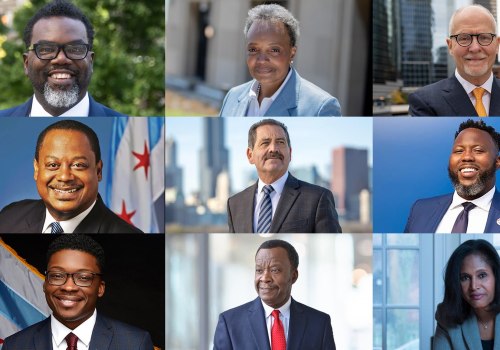
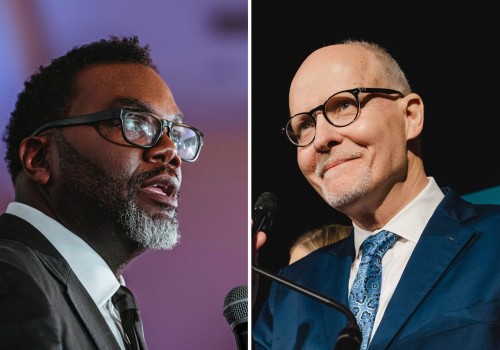
In the vibrant and diverse city of Chicago, Illinois, immigration policies have become a pivotal issue that shapes the political landscape. As the city continues to be a melting pot of cultures, the stance of political candidates in Chicago, Illinois on immigration can significantly influence not only local governance but also the lives of countless residents. With a rich history of immigration, Chicago has long been a sanctuary for those seeking new opportunities, and the policies proposed by candidates reflect their vision for an inclusive or restrictive future. The upcoming elections have brought immigration to the forefront of political discourse, with candidates articulating their positions on various aspects such as sanctuary city status, pathways to citizenship, and support for immigrant rights. These issues resonate deeply within communities that rely on immigrant labor and cultural contributions.
As voters prepare to make informed decisions, understanding where each candidate stands on immigration is crucial for assessing their potential impact on Chicago politics.Moreover, the implications of these policies extend beyond mere political rhetoric; they affect social services, law enforcement practices, and community cohesion. Candidates' views on immigration can either foster a sense of belonging or create divisions among residents. As we delve deeper into this topic, we will explore the specific stances of key political figures in Chicago and how their policies could shape the future of immigration in this iconic city.
Overview of Immigration Policies in the United States
Understanding the current landscape of immigration policies in the United States is essential for evaluating the positions of political candidates in Chicago, Illinois. At the federal level, immigration laws are primarily governed by the Immigration and Nationality Act (INA), which outlines the processes for visas, asylum, and deportation.Recent years have seen significant debates surrounding immigration reform, particularly regarding pathways to citizenship for undocumented immigrants and the treatment of asylum seekers.The Biden administration has made efforts to reverse many of the restrictive policies implemented during the previous administration. This includes attempts to restore protections for DACA recipients and to address family separation at the border. However, challenges remain, as Congress has struggled to pass comprehensive immigration reform that addresses both humanitarian concerns and security issues.Key components of current federal immigration policies include:
- Border Security: Increased funding for border security measures while also advocating for humane treatment of migrants.
- Pathways to Citizenship: Proposals aimed at providing legal status to undocumented immigrants who meet certain criteria, such as those brought to the U. S.
as children.
- Asylum Policies: Revisions to asylum procedures to ensure fair processing while managing the influx of asylum seekers at the southern border.
- Work Visas: Adjustments to work visa programs to meet labor market demands while protecting American jobs.
Key Political Candidates in Chicago and Their Stances
As the 2023 elections approach, understanding the positions of political candidates in Chicago, Illinois on immigration policies is crucial for voters. Each candidate brings a unique perspective shaped by their backgrounds, experiences, and the communities they represent.Candidate Profiles
- Candidate A: Known for their progressive stance, Candidate A advocates for comprehensive immigration reform. They support pathways to citizenship for undocumented immigrants and emphasize the importance of protecting immigrant rights.
Their campaign highlights the economic contributions of immigrants to Chicago.
- Candidate B: Taking a more conservative approach, Candidate B focuses on border security and stricter immigration enforcement. They argue that enhancing security measures is essential for public safety and advocate for policies that prioritize legal immigration processes.
- Candidate C: This candidate positions themselves as a moderate, seeking a balance between security and compassion. They propose reforms that would streamline the immigration process while ensuring that those who pose a threat are dealt with appropriately. Their platform includes community engagement initiatives to foster dialogue on immigration issues.
Voters are encouraged to consider how each candidate's policies align with their values and the needs of their communities.As the election date nears, it is vital for constituents to stay informed about these candidates' positions on immigration, as these policies will significantly impact Chicago's diverse population and its future.
Comparative Analysis of Candidates' Immigration Policies
In the current political landscape of Chicago, Illinois, candidates are presenting a diverse array of positions on immigration policies, reflecting the city's complex demographic makeup and socio-economic challenges. This comparative analysis aims to elucidate the key differences and similarities among the candidates' stances.Candidate A
advocates for a more inclusive immigration policy, emphasizing pathways to citizenship for undocumented immigrants. They argue that such measures not only support family unity but also contribute positively to the local economy by allowing immigrants to fully participate in society.
Candidate B
, on the other hand, takes a more stringent approach, focusing on border security and enforcement of existing immigration laws. They believe that prioritizing legal immigration processes is essential for maintaining public safety and ensuring that resources are allocated effectively.
Candidate C
presents a middle-ground perspective, proposing reforms that balance security with humanitarian considerations.
They support temporary work permits for immigrants while advocating for stronger vetting processes to address community concerns.
- Key Similarities:
- All candidates recognize the importance of addressing the needs of immigrant communities in Chicago.
- There is a consensus on the necessity of reforming outdated immigration laws to better reflect current realities.
- Key Differences:
- The degree of emphasis on enforcement versus inclusivity varies significantly among candidates.
- Candidates differ in their proposed timelines for implementing immigration reforms, with some advocating for immediate action while others suggest a phased approach.
Impact of Local Immigration Policies on Chicago Communities
The impact of immigration policies on local communities in Chicago is profound and multifaceted. As political candidates in Chicago, Illinois, present their stances on immigration, it is essential to consider how these policies shape the lives of residents, particularly within immigrant communities.One significant effect of immigration policies is the economic contribution of immigrants. Many candidates advocate for inclusive policies that recognize the vital role immigrants play in the local economy.For instance, studies show that immigrants contribute to job creation and fill essential roles in various sectors, from healthcare to construction. When candidates support policies that protect immigrant rights, they foster an environment where these contributions can thrive.Moreover, the social fabric of Chicago is heavily influenced by its diverse immigrant population. Candidates who promote welcoming immigration policies often emphasize community cohesion and cultural exchange. This can lead to stronger neighborhoods where residents celebrate their differences and work together towards common goals.
- Community Services: Political candidates who prioritize immigrant-friendly policies often advocate for increased funding for community services such as education, healthcare, and legal assistance.
These services are crucial for helping immigrants integrate and succeed.
- Public Safety: Candidates' stances on immigration can also affect public safety. Policies that foster trust between law enforcement and immigrant communities can lead to better cooperation in crime prevention and reporting.
- Political Representation: The representation of immigrant voices in local government is another critical aspect. Candidates who actively engage with immigrant communities can ensure that their needs and concerns are addressed in policy-making.
Understanding these implications is vital for making informed decisions at the polls.
Public Opinion on Immigration Policies in Chicago
Understanding public opinion on immigration policies in Chicago is crucial for political candidates as it directly influences their campaign strategies and positions. Recent surveys indicate a complex landscape of voter sentiment regarding immigration, reflecting both support and concern among constituents.According to a 2023 survey conducted by the Chicago Council on Global Affairs, approximately 65% of Chicago residents believe that immigration strengthens the city’s economy. This sentiment is particularly strong among younger voters, with 75% of those aged 18-34 expressing positive views on immigration. In contrast, older demographics show more mixed feelings, with only 50% of voters aged 55 and above supporting increased immigration.Concerns About Immigration Policies
While many Chicagoans view immigration favorably, there are significant concerns regarding public safety and resource allocation.A separate poll revealed that 58% of respondents worry about the impact of immigration on local job markets and public services. This concern is echoed in community forums where residents express fears about competition for jobs and strain on healthcare systems.
Candidates' Responses to Voter Sentiment
Political candidates in Chicago are increasingly aware of these sentiments. Many have tailored their platforms to address both the positive aspects of immigration and the concerns raised by constituents. For instance, candidates advocating for comprehensive immigration reform emphasize the economic benefits while also proposing measures to ensure public safety and resource management.The evolving landscape of voter sentiment in Chicago regarding immigration policies highlights the need for candidates to engage with their constituents actively.As the 2024 elections approach, understanding these dynamics will be essential for candidates aiming to resonate with voters and secure their support.
Frequently Asked Questions about Immigration Policies and Candidates
As the political landscape in Chicago evolves, many residents have pressing questions about how political candidates in Chicago, Illinois approach immigration policies. Here are some frequently asked questions that shed light on this important topic.What are the main immigration policies proposed by candidates?
Candidates often present a range of immigration policies, from pathways to citizenship for undocumented immigrants to stricter border controls. Many candidates advocate for comprehensive immigration reform that balances security with humanitarian considerations. It's essential to review each candidate's platform to understand their specific proposals.How do candidates address the concerns of immigrant communities?
Many political candidates in Chicago recognize the importance of engaging with immigrant communities.They often hold town hall meetings and forums to listen to the concerns of these constituents. Candidates may also propose policies aimed at protecting immigrant rights, such as opposing deportation practices that separate families.
What are common concerns about immigration laws among voters?
- Job Security: Many voters worry that increased immigration may lead to job competition.
- Public Safety: Some constituents express concerns about crime rates and how they relate to immigration.
- Access to Services: Voters often question whether immigrants will strain public resources like healthcare and education.
How can voters find out more about a candidate's stance on immigration?
Voters can research candidates' positions through various channels:- Candidates' Websites: Most candidates provide detailed information about their policies online.
- Debates and Forums: Attending or watching debates can offer insights into candidates' views on immigration.
- Community Organizations: Local advocacy groups often analyze and share information about candidates' stances on immigration issues.
Conclusion: The Future of Immigration Policies in Chicago Politics
As we reflect on the current landscape of political candidates in Chicago, Illinois, it is evident that immigration policies remain a pivotal issue shaping the city's future. Throughout this discussion, we have examined the diverse perspectives of candidates, ranging from progressive advocates pushing for comprehensive reform to more conservative voices emphasizing border security and enforcement.The implications of these stances are profound.Candidates who support inclusive immigration policies often argue that such measures not only foster community integration but also stimulate economic growth by attracting a diverse workforce. Conversely, those advocating for stricter immigration controls highlight concerns over public safety and resource allocation.
Key Takeaways
- Progressive Candidates: Many candidates align with pro-immigrant platforms, promoting pathways to citizenship and protections for undocumented individuals.
- Conservative Candidates: A focus on law enforcement and stricter immigration laws is prevalent among candidates prioritizing national security.
- Community Impact: The differing approaches to immigration policy will significantly affect Chicago's diverse communities, influencing everything from local economies to social cohesion.
As we move forward, it is essential for voters to engage with these issues thoughtfully and advocate for policies that align with their vision for a united and thriving Chicago.