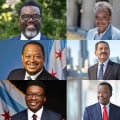
Chicago, Illinois, a vibrant metropolis known for its rich history and diverse culture, is also a significant hub for political activity. The political candidates in Chicago, Illinois represent a wide array of ideologies and backgrounds, reflecting the city's dynamic demographic landscape. As the third-largest city in the United States, Chicago's political scene is not only influential within the state but also plays a crucial role in national politics. The Chicago political landscape is characterized by its strong presence of major political parties, each vying for influence and representation. From the Democratic Party, which has historically dominated local elections, to the Republican Party and various third-party movements, the competition among these groups shapes policies that affect millions of residents. is characterized by its strong presence of major political parties, each vying for influence and representation. From the Democratic Party, which has historically dominated local elections, to the Republican Party and various third-party movements, the competition among these groups shapes policies that affect millions of residents.
Understanding the major political parties in Chicago is essential for grasping how local governance operates and how it impacts everyday life. As we delve deeper into this topic, we will explore the key players in Chicago's political arena, examining their platforms, electoral strategies, and the issues they prioritize. This exploration will not only highlight the diversity of thought within Chicago's political parties but also provide insight into how these candidates engage with their constituents and address pressing urban challenges.
Overview of Major Political Parties in Chicago
Chicago, Illinois, is a vibrant political landscape characterized by a rich tapestry of major political parties that have shaped its governance and policies over the years. Understanding these parties is crucial for grasping the dynamics of political candidates in Chicago, Illinois, especially during election cycles.- Democratic Party : The Democratic Party holds a dominant position in Chicago politics. Historically, it has been the party of choice for many urban voters, advocating for social justice, labor rights, and progressive taxation.
The party's influence can be traced back to the early 20th century when it began to attract immigrant communities and working-class citizens.
- Republican Party : While the Republican Party has seen a decline in its influence within the city, it still plays a significant role in local elections. Traditionally associated with conservative values, fiscal responsibility, and law-and-order policies, the party often appeals to suburban voters and those seeking alternatives to Democratic policies.
- Green Party : The Green Party has emerged as a notable third party in Chicago, focusing on environmental issues, social justice, and grassroots democracy. Although its candidates have not won major offices, they have influenced local debates on sustainability and climate change.
- Independent Candidates : In addition to established parties, independent candidates often emerge during elections, representing a range of ideologies. These candidates can sway elections by attracting voters disillusioned with the traditional party system.
Each party brings unique perspectives and policies to the table, influencing everything from local governance to community initiatives. As Chicago continues to evolve demographically and politically, the roles of these parties will remain pivotal in shaping the future of the city.
Democratic Party: Dominance and Influence
The Democratic Party has long been a dominant force in the political landscape of Chicago, Illinois. With a rich history of leadership and influence, the party has shaped policies that resonate with the city's diverse population. The Democratic candidates in Chicago often reflect the values and priorities of their constituents, focusing on issues such as social justice, economic equity, and public safety.One of the key aspects of the Democratic Party's influence in Chicago is its ability to mobilize voters during elections.The party has consistently produced strong candidates who have successfully won local, state, and federal offices. For instance, recent mayoral elections have showcased prominent Democratic figures who advocate for progressive reforms aimed at improving the quality of life for all Chicagoans.
- Policy Initiatives: Democratic candidates often champion policies that address systemic inequalities, such as affordable housing initiatives and education reform.
- Community Engagement: The party emphasizes grassroots organizing, ensuring that community voices are heard in the political process.
- Electoral Success: The Democratic Party has maintained a stronghold on key positions within the city council and other local offices, reflecting its widespread support among voters.
Its candidates not only represent a broad spectrum of ideas but also embody the aspirations of a city striving for progress and inclusivity.
Republican Party: Challenges and Representation
The Republican Party in Chicago faces a unique set of challenges, primarily due to the city's strong Democratic majority. This political landscape significantly impacts the representation and effectiveness of Republican candidates in Chicago.One of the most pressing challenges for the Republican Party is the perception of being out of touch with urban voters. Many residents associate the party with rural and suburban interests, which can alienate potential supporters in a diverse city like Chicago. Additionally, issues such as gun control, immigration, and social justice often dominate local discourse, areas where Republican candidates may struggle to resonate with the electorate.Representation of Republican Candidates
Despite these challenges, there are notable Republican candidates in Chicago who strive to make their voices heard.Candidates like State Representative Avery Bourne and Chicago Alderman Anthony Napolitano have worked to address local concerns while promoting traditional Republican values. Their campaigns often focus on issues such as public safety, fiscal responsibility, and economic development.
- Public Safety: Many Republican candidates emphasize the need for stronger law enforcement and community safety initiatives.
- Economic Development: Advocating for business-friendly policies to stimulate job growth in struggling neighborhoods is a common theme.
- Education Reform: Some candidates push for school choice and charter schools as alternatives to traditional public education.
Third Parties and Independents: Emerging Voices
In the vibrant political landscape of Chicago, third parties and independent candidates are increasingly making their presence felt. While the Democratic and Republican parties dominate the scene, these alternative voices are crucial in shaping public discourse and offering voters more choices.Third Parties in Chicago
- The Green Party: Focused on environmental issues, social justice, and grassroots democracy, the Green Party has gained traction among voters disillusioned with mainstream politics.
- The Libertarian Party: Advocating for individual liberties and minimal government intervention, Libertarian candidates often appeal to those who prioritize personal freedom and fiscal conservatism.
- The Socialist Party: With a platform centered on workers' rights and economic equality, the Socialist Party offers a counter-narrative to the capitalist framework prevalent in major party platforms.
Independent Candidates in Chicago
Independent candidates play a vital role in local elections, often addressing specific community issues that larger parties may overlook.
These candidates can attract voters who feel their needs are not being met by traditional party platforms. For instance, independent candidates have successfully run for city council positions, bringing fresh perspectives on urban development, public safety, and education reform.
Impact on Elections and Voter Engagement
The presence of third parties and independents can significantly influence election outcomes. They often draw votes away from major party candidates, leading to unexpected results. Moreover, their campaigns can invigorate voter engagement by introducing new ideas and encouraging discussions around critical issues.As Chicago continues to evolve politically, the voices of third parties and independent candidates will remain essential in fostering a more inclusive democratic process.
Their ability to challenge the status quo not only enriches the political dialogue but also empowers voters to consider alternatives beyond the traditional two-party system.
Political Trends and Voter Demographics in Chicago
Chicago's political landscape is shaped by a diverse array of voter demographics and evolving political trends. Understanding these factors is crucial for analyzing the representation of political candidates in Chicago, Illinois.The city is known for its rich tapestry of cultures, which significantly influences voting behavior. According to recent data, Chicago's population is approximately 30% African American, 29% Hispanic, and 36% White, with a growing Asian community. This diversity leads to varied political priorities and preferences among voters.Voter Demographics and Their Impact
- Young Voters: The millennial and Gen Z populations are increasingly engaged in politics, often prioritizing issues like climate change, social justice, and economic equality.
- Minority Communities: African American and Hispanic voters play a pivotal role in local elections, often supporting candidates who advocate for civil rights and equitable economic policies.
- Education Levels: Higher education levels correlate with progressive voting patterns, particularly in urban areas where candidates focusing on education reform tend to gain traction.
This trend reflects a broader national movement but is particularly pronounced in urban centers like Chicago. Candidates who champion issues such as affordable housing, police reform, and public health have found substantial support among the electorate.
Political Trends Shaping Candidate Selection
The political climate in Chicago is also influenced by key trends:- Increased Activism: Grassroots movements have gained momentum, pushing candidates to address local concerns more directly.
- Polarization: The divide between progressive and moderate factions within the Democratic Party has led to intense primary battles, shaping the candidates who ultimately appear on the ballot.
- Voter Turnout: Efforts to increase voter turnout among underrepresented groups have become a focal point for many campaigns, impacting candidate strategies.
Frequently Asked Questions about Political Candidates in Chicago
Understanding the landscape of political candidates in Chicago, Illinois can be complex, especially for those new to the city's political scene. Here are some frequently asked questions that can help clarify common misconceptions and provide valuable insights.What are the major political parties represented by candidates in Chicago?
Chicago primarily features candidates from two major political parties: the Democratic Party and the Republican Party.The Democratic Party dominates local elections, often fielding a wide range of candidates for various offices. The Republican Party, while less prevalent in citywide races, still plays a significant role, particularly in certain districts.
How do local elections work in Chicago?
Local elections in Chicago typically occur every four years, coinciding with the mayoral election cycle. Voters can expect to see candidates running for positions such as:- Mayor
- City Council members
- Clerk and Treasurer
- Judges
What is the role of independent candidates?
Independent candidates also play a role in Chicago's political landscape. While they may not have the same level of support as those from major parties, they can influence elections by attracting votes from disenchanted party supporters.This often leads to discussions about issues that may not be prioritized by mainstream candidates.
How can I learn more about specific candidates?
To learn more about specific political candidates in Chicago, consider visiting official campaign websites, attending town hall meetings, or reviewing local news coverage. Engaging with community forums and social media platforms can also provide insights into candidate platforms and public opinions.By understanding these aspects of Chicago's political candidates, voters can make informed decisions during elections and contribute to the democratic process effectively.Conclusion: The Future of Political Parties in Chicago
As we reflect on the current landscape of political candidates in Chicago, Illinois, it is evident that the city is a microcosm of broader national trends. The major political parties, primarily the Democratic Party and the Republican Party, continue to dominate the electoral scene, but their influence is increasingly challenged by emerging movements and independent candidates.The Democratic Party remains the predominant force in Chicago, with a stronghold on local government and a significant presence in state politics. This party's focus on social justice, economic equity, and progressive reforms resonates with a large segment of the city's diverse population.However, as issues such as crime, housing affordability, and education reform take center stage, there is growing pressure for Democratic candidates to address these concerns more effectively.On the other hand, the Republican Party faces unique challenges in a predominantly blue city. While they have made strides in certain neighborhoods and among specific demographics, their overall influence remains limited. Nevertheless, Republican candidates are increasingly focusing on issues like public safety and fiscal responsibility to appeal to voters who may feel disillusioned with the status quo.Moreover, the rise of independent candidates and third-party movements cannot be overlooked. These candidates often bring fresh perspectives and challenge traditional party lines, appealing to voters seeking alternatives to mainstream options.
As Chicago's electorate becomes more diverse and engaged, the potential for these candidates to disrupt established political dynamics grows.In conclusion, the future of political parties in Chicago will likely be shaped by their ability to adapt to changing voter priorities and demographics. As new issues emerge and public sentiment evolves, both major parties must remain responsive to the needs of their constituents while also being open to collaboration with independent voices. The political landscape in Chicago is poised for transformation, making it an exciting time for both candidates and voters alike.