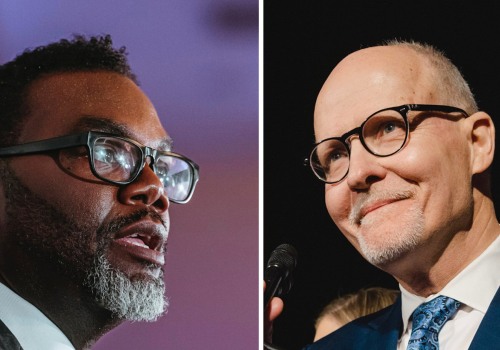
The political landscape in Chicago, Illinois is as dynamic as it is complex, shaped by a rich history of activism, diverse communities, and pressing social issues. As the third-largest city in the United States, Chicago serves as a microcosm of broader national trends, where local political candidates are increasingly focusing on issues that resonate deeply with their constituents. From economic inequality to public safety, the challenges faced by this vibrant city are multifaceted and require nuanced solutions. In recent elections, political candidates in Chicago, Illinois have prioritized key issues such as affordable housing, education reform, and public health. These topics not only reflect the immediate concerns of residents but also highlight the ongoing struggle for equity and justice within urban environments.
Candidates are leveraging these issues to connect with voters, emphasizing their commitment to creating a more inclusive and sustainable city. As we delve deeper into the current political climate, it becomes evident that understanding these Chicago political issues is crucial for anyone looking to engage with the electoral process. The upcoming elections will serve as a pivotal moment for candidates to articulate their visions and for voters to hold them accountable. By examining the key issues at play, we can better appreciate the stakes involved and the potential impact on the future of Chicago.
Economic Challenges and Opportunities
The economic challenges facing Chicago are at the forefront of discussions among political candidates. As the city continues to recover from the impacts of the COVID-19 pandemic, candidates are prioritizing strategies that address both immediate and long-term economic issues.One of the most pressing concerns is job creation.Candidates are proposing various initiatives aimed at revitalizing the job market, particularly in sectors that were hit hardest by the pandemic. This includes:
- Investment in infrastructure: Many candidates advocate for increased funding for public works projects, which not only create jobs but also improve the city’s overall infrastructure.
- Support for small businesses: Local entrepreneurs are essential for job creation. Candidates are focusing on policies that provide financial assistance, tax incentives, and resources to help small businesses thrive.
- Workforce development programs: Enhancing skills training and education programs is crucial for preparing residents for available jobs, especially in emerging industries.
- Promoting equitable growth: Ensuring that economic recovery benefits all neighborhoods, particularly those historically underserved.
- Encouraging innovation: Supporting tech startups and green businesses to diversify the economy and create sustainable jobs.
As candidates outline their plans, they emphasize the importance of a robust economy that not only recovers from past setbacks but also positions Chicago as a leader in future economic opportunities.
Public Safety and Crime Rates
In the heart of Chicago, public safety and rising crime rates have become pivotal issues for political candidates. As the city grapples with various challenges, candidates are prioritizing strategies to enhance safety and restore community trust in law enforcement.One of the primary concerns is the increase in violent crime, which has prompted candidates to propose comprehensive reforms. Many are advocating for increased funding for community policing initiatives that foster better relationships between officers and residents. This approach aims to create a more collaborative environment where community members feel empowered to report crimes without fear of retaliation.Additionally, candidates are addressing the need for mental health resources as part of their public safety platforms.Recognizing that many incidents stem from untreated mental health issues, proposals include expanding access to mental health services and crisis intervention programs. This holistic approach not only aims to reduce crime but also addresses the root causes of violence.
- Community Engagement: Candidates emphasize the importance of involving local communities in safety discussions, ensuring that policies reflect the needs and concerns of residents.
- Gun Control Measures: With gun violence being a significant issue, many candidates are advocating for stricter gun control laws to prevent firearms from falling into the wrong hands.
- Investment in Youth Programs: To combat crime in the long term, candidates are proposing investments in youth programs that provide alternatives to gang involvement and criminal activity.
The focus on effective solutions to combat crime rates reflects a broader desire for a safer Chicago, making this issue a cornerstone of political discourse in the city.
Education Reform and Funding
In Chicago, education reform and funding have emerged as critical issues for political candidates, reflecting the city's ongoing struggle to provide quality education for all students. With a diverse population and varying socioeconomic backgrounds, the chicago education issues are multifaceted, requiring comprehensive solutions that address both systemic challenges and immediate needs.One of the primary concerns is the funding disparities that exist between schools in affluent neighborhoods and those in under-resourced areas. Candidates are advocating for equitable funding models that ensure all schools receive adequate resources, regardless of their location. This includes proposals to increase state funding and reallocate existing resources to support schools that serve low-income communities.Moreover, many candidates are focusing on school reform initiatives aimed at improving educational outcomes.This includes enhancing teacher training programs, implementing innovative curricula, and expanding access to technology in classrooms. For instance, some candidates propose partnerships with local businesses to create internship opportunities for high school students, thereby bridging the gap between education and employment.
- Teacher Retention: Addressing the high turnover rates among teachers by offering competitive salaries and better working conditions.
- Early Childhood Education: Expanding access to pre-K programs to ensure children start their educational journey on solid footing.
- Community Engagement: Involving parents and community members in decision-making processes to foster a supportive educational environment.
Housing Affordability and Development
Housing affordability remains a pressing concern for many residents in Chicago, Illinois, and political candidates are increasingly prioritizing this issue in their platforms.With rising rents and property prices, candidates are proposing various solutions to address chicago housing issues that affect low- and middle-income families.One of the key proposals from candidates is the expansion of affordable housing initiatives. Many are advocating for the development of new affordable units, as well as the preservation of existing ones. This includes increasing funding for programs that support low-income housing tax credits and incentivizing developers to include affordable units in their projects. Candidates argue that by doing so, they can help alleviate the burden of high housing costs on residents.Additionally, some candidates are focusing on zoning reforms to facilitate real estate development in Chicago.
They believe that easing restrictions on building heights and densities can encourage more construction, which could lead to a greater supply of housing options. This approach aims to create a more diverse housing market that caters to various income levels.
- Community Land Trusts: Some candidates are promoting community land trusts as a way to ensure long-term affordability. These nonprofit organizations can acquire land and develop it for affordable housing, keeping prices stable over time.
- Rent Control Measures: A few candidates are also advocating for rent control measures to protect tenants from sudden price hikes, arguing that such policies can provide immediate relief for struggling families.
- Public-Private Partnerships: Collaborations between the city and private developers are being proposed as a means to fund affordable housing projects without overburdening taxpayers.
Healthcare Access and Public Health Initiatives
In the bustling city of Chicago, healthcare access has emerged as a pivotal issue for political candidates.With a diverse population facing varying health challenges, candidates are prioritizing initiatives that aim to improve public health and ensure equitable access to medical services.One of the primary concerns is the disparity in healthcare access across different neighborhoods. Many candidates are advocating for policies that address these inequalities, particularly in underserved areas where residents often face barriers to receiving adequate care. This includes expanding community health centers and increasing funding for mental health services, which are crucial for holistic public health.
Public Health Initiatives
Candidates are also focusing on comprehensive public health initiatives that tackle pressing issues such as substance abuse, obesity, and chronic diseases. For instance, proposals to enhance preventive care programs and promote healthy lifestyles are gaining traction.These initiatives not only aim to reduce healthcare costs in the long run but also strive to improve the overall quality of life for Chicagoans.
- Expansion of Telehealth Services: Many candidates support the expansion of telehealth services, which have proven essential during the COVID-19 pandemic. This approach can significantly increase access to healthcare for those who may have difficulty visiting clinics in person.
- Affordable Prescription Drugs: Addressing the high cost of prescription medications is another key focus. Candidates are proposing measures to regulate drug prices and ensure that essential medications are affordable for all residents.
- Community Health Education: Increasing awareness about available health resources and preventive measures through community outreach programs is also a priority. Candidates believe that informed citizens are better equipped to make healthier choices.
As they campaign, these issues resonate deeply with voters who seek leaders committed to fostering a healthier, more equitable city.
Environmental Policies and Sustainability Efforts
As climate change continues to pose significant challenges, political candidates in Chicago, Illinois are increasingly prioritizing environmental policies and sustainability efforts in their platforms. These candidates recognize that addressing Chicago's environmental issues is not only crucial for the health of the city but also for the well-being of its residents.One of the primary focuses is on reducing greenhouse gas emissions. Candidates are advocating for policies that promote renewable energy sources, such as solar and wind power, to transition away from fossil fuels. This shift is essential for meeting both local and national climate goals.Additionally, many candidates are emphasizing the importance of sustainability initiatives that aim to enhance urban green spaces.This includes plans to increase tree canopies, develop community gardens, and restore natural habitats within the city. Such initiatives not only improve air quality but also provide recreational spaces for residents.
- Water Management: Candidates are proposing comprehensive water management strategies to combat flooding and protect local waterways from pollution.
- Public Transportation: Enhancing public transportation options is another key area of focus, as it can significantly reduce traffic congestion and lower emissions.
- Community Engagement: Many candidates are committed to involving local communities in environmental decision-making processes, ensuring that residents have a voice in sustainability efforts.
Community Engagement and Voter Participation
In the vibrant political landscape of Chicago, Illinois, candidates are increasingly prioritizing community engagement and voter participation as essential components of their campaigns.Recognizing that a healthy democracy thrives on active civic involvement, many candidates are implementing innovative strategies to connect with constituents and encourage them to make their voices heard.One of the primary issues at the forefront is the need to address barriers that hinder voter participation. Candidates are focusing on initiatives that aim to simplify the voting process, such as:
- Expanding early voting options and locations to accommodate diverse schedules.
- Implementing automatic voter registration to streamline the process for eligible citizens.
- Enhancing outreach efforts in underrepresented communities to ensure that all voices are included in the electoral process.
These events provide a platform for constituents to voice their concerns and ask questions, fostering a sense of transparency and accountability. By actively listening to the community's needs, candidates can tailor their policies to reflect the priorities of their constituents.Ultimately, the focus on community engagement and voter participation is not just a campaign strategy; it is a commitment to building a more inclusive political environment in Chicago. As candidates continue to prioritize these issues, they pave the way for a more engaged electorate that can drive meaningful change in their communities.
Conclusion: The Future of Chicago Politics
As we look towards the future of politics in Chicago, it is clear that the political candidates in Chicago, Illinois are navigating a complex landscape shaped by pressing issues. The discussions surrounding public safety, affordable housing, and economic recovery are not just campaign talking points; they reflect the real concerns of residents who are eager for change.The emphasis on public safety has become paramount, especially in light of rising crime rates.Candidates are proposing various strategies, from community policing initiatives to increased funding for mental health services, aiming to create a safer environment for all Chicagoans. This focus on safety is likely to influence voter sentiment and shape future policies.
Affordable housing
remains another critical issue. With many residents struggling to find suitable living conditions, candidates are advocating for policies that promote housing equity and accessibility. This includes support for rent control measures and the development of affordable housing units, which could significantly impact the city's demographic landscape.The ongoing challenges posed by the COVID-19 pandemic have also highlighted the need for robust economic recovery plans.
Candidates are prioritizing job creation and support for small businesses as essential components of their platforms. The effectiveness of these plans will be crucial in determining the city’s economic resilience moving forward.In conclusion, the key issues that political candidates in Chicago, Illinois are focusing on today will undoubtedly shape the political landscape of tomorrow. As these candidates propose solutions to pressing problems, their success will depend on their ability to engage with the community and address the needs of all Chicagoans. The future of Chicago politics hinges on these critical discussions and the actions that follow.