In the vibrant city of Chicago, Illinois, small businesses serve as the backbone of the local economy, fostering innovation and creating jobs. With a rich tapestry of diverse cultures and communities, these enterprises not only contribute to the economic landscape but also enhance the unique character of neighborhoods across the city. As such, the role of political candidates in Chicago, Illinois becomes crucial in shaping policies that support and nurture entrepreneurship.As the upcoming elections approach, candidates are increasingly aware of the need to address the challenges faced by small business owners. From navigating regulatory hurdles to accessing funding, entrepreneurs often encounter significant obstacles that can hinder their growth.
Political candidates are stepping up to propose comprehensive plans aimed at alleviating these issues, recognizing that a thriving small business sector is essential for a robust economy.Moreover, the commitment to supporting small businesses is not just about economic growth; it’s also about community development and resilience. Candidates are focusing on initiatives that promote local hiring, provide resources for business development, and create an inclusive environment where all entrepreneurs can thrive. By prioritizing small business support in their platforms, these political figures are not only appealing to voters but also laying the groundwork for a more sustainable and equitable economic future in Chicago.
Current Landscape of Small Businesses in Chicago
The current landscape of small businesses in Chicago is a vibrant yet challenging environment. As of 2023, small businesses account for approximately 99% of all businesses in the city, employing nearly half of the workforce.This significant presence underscores their vital role in the local economy, contributing to community identity and economic diversity.However, small businesses in Chicago face numerous challenges that can hinder their growth and sustainability. Some of the most pressing issues include:
- Access to Capital: Many small business owners struggle to secure funding from traditional financial institutions, which can limit their ability to expand or even maintain operations.
- Regulatory Hurdles: Navigating the complex web of local regulations and permits can be daunting, often leading to delays and increased costs.
- Competition: The rise of e-commerce and large retail chains has intensified competition, making it difficult for local businesses to attract customers.
- Workforce Challenges: Finding skilled labor remains a significant hurdle, particularly in industries that require specialized training.
Conversely, when they struggle or close, it can lead to job losses and decreased economic activity.In light of these challenges, political candidates in Chicago are increasingly focusing on policies aimed at supporting small businesses and entrepreneurship. Understanding the current landscape is crucial for voters as they evaluate candidates' proposals and commitments to fostering a more conducive environment for small business growth.
Key Political Candidates and Their Platforms
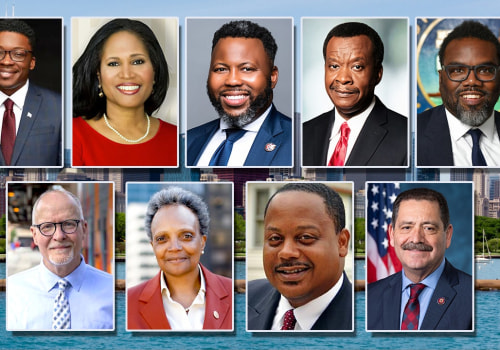
As the 2023 election approaches, several key political candidates in Chicago, Illinois have outlined their platforms with a strong focus on supporting small businesses and fostering entrepreneurship. Understanding these candidates' positions is crucial for voters who prioritize economic growth and local business development.- Candidate A: This candidate emphasizes the need for affordable financing options for small businesses. They propose creating a city-backed loan program aimed at startups and minority-owned businesses, ensuring that financial barriers do not hinder innovation.
- Candidate B: Advocating for tax incentives, Candidate B plans to introduce measures that would reduce the tax burden on small businesses.
Their platform includes a proposal to eliminate certain fees and taxes for new businesses in their first three years of operation.
- Candidate C: Focused on community engagement, this candidate aims to establish a Small Business Advisory Council that would give local entrepreneurs a voice in city policy decisions. They believe that direct input from business owners can lead to more effective support systems.
- Candidate D: With a strong background in technology, Candidate D is committed to enhancing digital resources for small businesses. Their plan includes providing training programs in digital marketing and e-commerce to help local businesses thrive in an increasingly online marketplace.
Proposed Policies to Support Small Businesses
As the political landscape in Chicago, Illinois evolves, candidates are increasingly focusing on policies that directly support small businesses and foster entrepreneurship.These initiatives are vital for economic growth and job creation in the city.
- Access to Funding: Many candidates propose creating or expanding grant programs specifically designed for small businesses. This includes low-interest loans and micro-financing options aimed at underrepresented entrepreneurs. For instance, some candidates advocate for a dedicated fund that would provide financial assistance to startups in underserved neighborhoods.
- Tax Incentives: Several political candidates are pushing for tax relief measures for small businesses. This could involve reducing property taxes or offering tax credits for businesses that hire locally.
Such incentives are intended to alleviate financial burdens and encourage growth.
- Streamlined Regulations: Candidates recognize that excessive regulations can stifle entrepreneurship. Proposals include simplifying the permitting process and reducing bureaucratic red tape, making it easier for new businesses to launch and operate.
- Support Networks: Initiatives aimed at building support networks for small business owners are also on the table. This includes mentorship programs that connect experienced entrepreneurs with newcomers, as well as workshops focused on essential skills like marketing and financial management.
- Community Development: Some candidates emphasize the importance of community development initiatives that promote local shopping. By supporting campaigns that encourage residents to buy from local businesses, they aim to strengthen the local economy.
As voters consider their options, understanding these initiatives will be key to making informed decisions at the polls.
Community Engagement and Support Programs
Political candidates in Chicago, Illinois are increasingly recognizing the vital role that community engagement plays in supporting small businesses and fostering entrepreneurship. By prioritizing grassroots involvement, these candidates aim to create a more inclusive economic environment that benefits local entrepreneurs.One of the key strategies proposed by candidates is the establishment of community support programs designed to provide resources and assistance to small business owners. These programs often include:- Workshops and Training Sessions: Offering educational opportunities on business management, marketing, and financial planning to equip entrepreneurs with essential skills.
- Networking Events: Facilitating connections between local business owners, potential investors, and community leaders to foster collaboration and support.
- Access to Funding: Creating initiatives that help small businesses secure grants or low-interest loans, making it easier for them to start or expand their operations.
By engaging directly with constituents, candidates can tailor their policies to address specific challenges faced by small businesses in different neighborhoods.Additionally, many candidates are advocating for local business initiatives that promote the use of local products and services. This includes:
- Buy Local Campaigns: Encouraging residents to support neighborhood businesses by highlighting the benefits of shopping locally.
- Partnerships with Local Organizations: Collaborating with chambers of commerce and non-profits to create programs that uplift small businesses.
Impact of Political Decisions on Small Business Growth
The impact of political decisions on small business growth in Chicago is profound and multifaceted. Political candidates in Chicago, Illinois, play a crucial role in shaping the economic landscape through their proposed policies and initiatives.These decisions can either foster a thriving environment for small businesses or create barriers that hinder their development.One of the primary ways candidates influence small business growth is through economic policies. For instance, proposals for tax incentives can significantly lower operational costs for small businesses, allowing them to reinvest in their operations and workforce. Conversely, increased taxation or stringent regulations can stifle growth and discourage entrepreneurship.Moreover, candidates often advocate for programs aimed at supporting entrepreneurship, such as grants, low-interest loans, and training programs. These initiatives can empower aspiring business owners by providing them with the necessary resources to launch and sustain their ventures.
The effectiveness of these programs largely depends on the political will and commitment of elected officials to prioritize small business needs.
- Access to Capital: Political candidates can influence funding availability through state and local initiatives that support small business loans.
- Regulatory Environment: A candidate's stance on regulations can either simplify or complicate the process of starting and running a business.
- Community Support: Candidates who prioritize community engagement can foster a supportive ecosystem for local entrepreneurs.
FAQs About Political Candidates and Small Business Support in Chicago
As the political landscape in Chicago evolves, many residents are curious about how political candidates in Chicago, Illinois plan to support small businesses and foster entrepreneurship.Here are some frequently asked questions that shed light on this important topic:
- What specific policies are candidates proposing to support small businesses?
Many candidates are advocating for tax incentives, grants, and low-interest loans aimed at helping small businesses thrive. These policies often focus on reducing the financial burden on startups and established businesses alike. - How do candidates plan to address the challenges faced by minority-owned businesses?
Several candidates have pledged to create programs specifically designed to support minority entrepreneurs, including mentorship opportunities, access to capital, and targeted marketing assistance. - Will there be initiatives to streamline the permitting process for new businesses?
Yes, many candidates recognize that a cumbersome permitting process can stifle entrepreneurship. Proposals include simplifying regulations and providing a one-stop-shop for business permits. - How do candidates intend to promote local business growth in underserved neighborhoods?
Candidates are focusing on revitalization efforts in underserved areas by promoting local business incubators and providing resources tailored to the unique needs of these communities. - What role does technology play in candidates' plans for small business support?
With the rise of digital commerce, many candidates are emphasizing the importance of technology training and access to digital tools for small businesses to compete effectively.
Conclusion: The Future of Small Businesses Under New Leadership
As we look towards the future of small businesses in Chicago, it is clear that the plans put forth by political candidates in Chicago, Illinois will play a pivotal role in shaping the entrepreneurial landscape.The commitment to fostering a supportive environment for small businesses is evident in the various proposals aimed at addressing their unique challenges.Many candidates have emphasized the importance of access to funding, recognizing that financial barriers often hinder the growth of small enterprises. Initiatives such as establishing local grant programs and incentivizing private investment are crucial steps that could provide the necessary capital for startups and existing businesses alike.Moreover, the focus on streamlining regulations is another significant aspect of their platforms. By simplifying the bureaucratic processes that small business owners face, candidates aim to create a more conducive environment for entrepreneurship. This includes advocating for reduced licensing fees and faster permit approvals, which can alleviate some of the burdens that often stifle innovation.Furthermore, many candidates are prioritizing community engagement and support networks.
By fostering partnerships between local governments and business organizations, they aim to create a robust ecosystem where small businesses can thrive. This includes mentorship programs, networking events, and workshops designed to equip entrepreneurs with the skills they need to succeed.In conclusion, the future of small businesses in Chicago hinges on the effectiveness of these proposed policies by political candidates in Chicago, Illinois. If implemented thoughtfully, these initiatives could not only revitalize local economies but also empower a new generation of entrepreneurs. As voters head to the polls, it is essential to consider which candidates are genuinely committed to supporting small businesses and fostering an entrepreneurial spirit in the city.