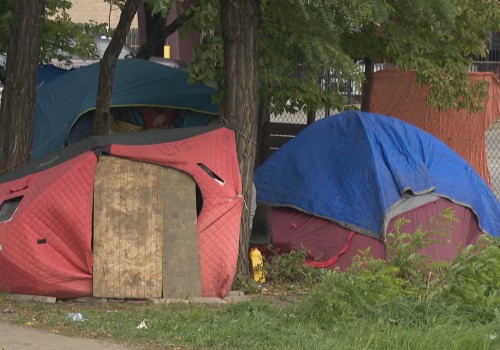
In recent years, affordable housing and gentrification have emerged as critical issues in Chicago, Illinois, affecting the lives of countless residents. As neighborhoods undergo transformation, the rising cost of living often displaces long-time residents, leading to a complex interplay between economic development and community stability. The city’s rich history and diverse population make it a unique case study in how urban policies can either alleviate or exacerbate these challenges. Political candidates in Chicago, Illinois, are increasingly aware of the urgency surrounding these issues. With the upcoming elections, many are proposing innovative solutions aimed at ensuring that all residents have access to safe and affordable housing.
From rent control measures to increased funding for public housing projects, candidates are outlining their visions for a more equitable city. However, the effectiveness of these proposals often hinges on their ability to balance the needs of current residents with the pressures of new development. As gentrification continues to reshape neighborhoods like Logan Square and Pilsen, the conversation around affordable housing becomes even more pressing. Candidates must navigate a landscape where community voices are often drowned out by developers' interests. This section will explore how various political candidates in Chicago are addressing these pressing issues, highlighting their strategies and the potential impact on the city's future.
Current State of Affordable Housing in Chicago
The current affordable housing situation in Chicago is marked by significant challenges that affect a large portion of its residents.As of 2023, approximately 20% of Chicago households are considered cost-burdened, meaning they spend more than 30% of their income on housing. This statistic highlights the pressing need for affordable housing solutions in a city where the housing market has seen rising prices and stagnant wages.In recent years, the Chicago housing market has experienced a surge in property values, particularly in neighborhoods that have undergone gentrification. While this revitalization can bring economic benefits, it often displaces long-term residents who can no longer afford to live in their communities. The gentrification process has led to a stark divide between affluent newcomers and existing low-income families, exacerbating social inequalities.Key challenges faced by residents include:
- Lack of affordable units: There is a significant shortage of affordable rental units, with many neighborhoods lacking options for low-income families.
- Rising rents: As demand increases, so do rental prices, making it difficult for many to find suitable housing.
- Displacement: Long-standing residents are often forced out of their homes due to rising costs and property taxes.
- Inadequate housing policies: Current policies have not kept pace with the rapid changes in the housing market, leaving many vulnerable populations without adequate support.
However, critics argue that these measures are insufficient to meet the growing demand for affordable housing. As political candidates in Chicago, Illinois prepare for upcoming elections, addressing these issues will be crucial to ensuring that all residents have access to safe and affordable housing.
Impact of Gentrification on Chicago Communities
Gentrification in Chicago has become a pressing issue, significantly impacting various neighborhoods and their long-term residents. As political candidates in Chicago, Illinois prepare for upcoming elections, understanding the effects of gentrification is crucial for formulating effective housing policies.One of the most immediate consequences of gentrification is community displacement. Long-term residents, often from marginalized communities, find themselves priced out of their homes as property values rise and new developments cater to wealthier individuals.This displacement not only affects housing stability but also disrupts the social fabric of neighborhoods that have historically been rich in culture and community ties.The economic impact of gentrification extends beyond individual households. As neighborhoods gentrify, local businesses that once served the community may struggle to survive amidst rising rents and changing demographics. This can lead to a loss of cultural identity and a shift in the types of services available, often favoring upscale establishments over those that cater to long-standing residents.Moreover, gentrification can exacerbate existing inequalities. While some areas may see an influx of investment and infrastructure improvements, others may be left behind, creating a stark divide within the city.
This uneven development raises questions about equity and access to resources, prompting political candidates in Chicago, Illinois to address these disparities in their platforms.In response to these challenges, candidates are increasingly advocating for policies that promote affordable housing initiatives and protect vulnerable populations from displacement. Strategies such as rent control measures, community land trusts, and increased funding for affordable housing projects are being discussed as potential solutions to mitigate the adverse effects of gentrification.As the conversation around gentrification continues to evolve, it is essential for both candidates and constituents to engage in dialogue about sustainable development that honors the needs of all community members.
Political Candidates' Proposals for Affordable Housing
As the 2023 Chicago elections approach, political candidates in Chicago, Illinois are unveiling their proposals to tackle the pressing issues of affordable housing and gentrification. Each candidate presents a unique approach, reflecting their understanding of the city's diverse neighborhoods and the challenges residents face.Increased Funding for Affordable Housing
- Candidates are advocating for increased funding for affordable housing initiatives, aiming to allocate more resources from the city budget to support the construction and preservation of affordable units.
- Some propose creating a dedicated Affordable Housing Trust Fund, which would provide ongoing financial support for projects that meet specific affordability criteria.
Inclusionary Zoning Policies
- Many candidates are pushing for stronger inclusionary zoning policies, which would require developers to include a certain percentage of affordable units in new residential developments.
- This strategy aims to ensure that as neighborhoods develop, they remain accessible to low- and moderate-income families.
Community Land Trusts
- Some candidates are advocating for the establishment of community land trusts, which would allow communities to collectively own land and manage it in a way that prioritizes affordable housing over profit-driven development.
- This model has been successful in other cities and is seen as a way to combat gentrification by keeping housing prices stable.
Tenant Protections and Rent Control
- A number of candidates are also focusing on enhancing tenant protections, including measures to prevent unjust evictions and rent hikes.
- Proposals for implementing rent control policies are gaining traction, aimed at stabilizing housing costs for existing residents.
Strategies to Combat Gentrification by Political Candidates
As the issue of gentrification continues to impact neighborhoods across Chicago, political candidates are proposing a variety of strategies aimed at preserving community integrity and supporting low-income residents.These strategies focus on balancing development with the needs of existing communities, ensuring that long-time residents are not displaced by rising costs.One prominent approach is the implementation of affordable housing initiatives. Candidates are advocating for policies that require developers to include a percentage of affordable units in new projects. This inclusionary zoning strategy aims to create mixed-income neighborhoods where low-income families can thrive alongside new developments.Additionally, many candidates are pushing for increased funding for community land trusts. These nonprofit organizations acquire and hold land for the benefit of the community, allowing residents to have a say in how their neighborhoods develop.
By removing land from the speculative market, community land trusts can help stabilize housing costs and prevent displacement.Another key strategy involves enhancing tenant protections. Candidates are proposing stronger regulations against evictions and rent increases, which would provide greater security for renters. This includes measures such as rent control and legal assistance for tenants facing eviction, ensuring that vulnerable populations have access to legal resources.Moreover, candidates emphasize the importance of community engagement in urban planning processes. By involving residents in decision-making, candidates aim to ensure that development reflects the needs and desires of the community rather than outside interests.
This participatory approach can lead to more equitable outcomes and foster a sense of ownership among residents.Finally, some candidates are advocating for policies that promote economic development without displacing existing residents. This includes support for local businesses through grants and training programs, which can help create jobs and stimulate the local economy while keeping wealth within the community.In summary, political candidates in Chicago are actively proposing a range of strategies to combat gentrification. By focusing on affordable housing, tenant protections, community engagement, and local economic development, they aim to create a more equitable city where all residents can thrive.
Community Reactions to Candidates' Plans
As the political landscape in Chicago evolves, community reactions to the proposals put forth by political candidates in Chicago, Illinois regarding affordable housing and gentrification have been both passionate and varied. Local residents are increasingly vocal about their needs and concerns, leading to a dynamic dialogue between candidates and constituents.Many community members have expressed skepticism about the effectiveness of proposed policies.Public forums have become a platform for residents to voice their opinions, with some arguing that the candidates' plans do not adequately address the root causes of gentrification. For instance, during a recent town hall meeting, several attendees highlighted the need for more comprehensive strategies that include not just housing affordability but also job creation and access to essential services.
Grassroots Movements
Grassroots movements have emerged as a significant force in shaping public opinion on housing policies. Organizations such as Chicago Housing Initiative and Raise Your Hand Coalition are mobilizing residents to advocate for their rights and push for more inclusive policies. These groups often organize rallies, workshops, and informational sessions aimed at educating the public about their housing rights and the implications of gentrification.- Community Engagement: Many grassroots organizations are encouraging community engagement through surveys and feedback sessions to ensure that the voices of marginalized populations are heard.
- Policy Advocacy: Activists are actively lobbying for policies that prioritize affordable housing development over luxury projects that displace long-term residents.
- Coalition Building: Various groups are forming coalitions to amplify their message, recognizing that a united front can exert more pressure on political candidates.
As the election approaches, it is clear that understanding and addressing the concerns of local residents will be pivotal in shaping effective housing policies that resonate with voters. The ongoing dialogue between political candidates in Chicago, Illinois and their constituents will ultimately determine the future of affordable housing in the city.
Frequently Asked Questions about Affordable Housing and Gentrification in Chicago
As the conversation around affordable housing and gentrification in Chicago continues to evolve, many residents have pressing questions. Here are some frequently asked questions that shed light on these critical issues:What is affordable housing?
Affordable housing refers to housing units that are affordable to those with a median household income. In Chicago, this often means that families should not spend more than 30% of their income on housing costs, including rent or mortgage payments.How does gentrification affect neighborhoods in Chicago?
Gentrification can lead to the revitalization of neighborhoods, but it often comes at a cost.Long-time residents may be displaced due to rising rents and property taxes, which can alter the cultural fabric of communities. This process can create tension between new and existing residents.
What are political candidates in Chicago doing about affordable housing?
- Policy Proposals: Many candidates are proposing policies aimed at increasing the availability of affordable housing units through zoning reforms and incentives for developers.
- Community Engagement: Candidates are also focusing on engaging with community members to understand their needs and concerns regarding housing.
- Funding Initiatives: Some candidates advocate for increased funding for affordable housing programs and support for non-profit organizations working in this space. Some candidates advocate for increased funding for affordable housing programs and support for non-profit organizations working in this space.
How can residents get involved in addressing these issues?
Residents can participate in local meetings, engage with community organizations, and advocate for policies that promote affordable housing. Staying informed about local elections and supporting candidates who prioritize these issues is also crucial.Understanding the dynamics of affordable housing and gentrification is essential for residents of Chicago as they navigate these complex challenges. By asking questions and seeking information, individuals can play an active role in shaping their communities.Conclusion: The Future of Affordable Housing and Gentrification in Chicago
As we look towards the future of affordable housing and gentrification in Chicago, it is clear that the political candidates in Chicago, Illinois are taking a multifaceted approach to address these pressing issues.Throughout this article, we have explored various strategies proposed by candidates, highlighting their commitment to creating sustainable solutions.One of the most significant takeaways is the emphasis on community engagement. Candidates recognize that involving residents in the decision-making process is crucial for developing effective housing policies. By prioritizing community input, they aim to ensure that the voices of those most affected by gentrification are heard and considered.Additionally, many candidates are advocating for increased funding for affordable housing initiatives. This includes proposals for tax incentives for developers who commit to building affordable units and expanding access to public housing.
Such measures are essential in combating the rising costs of living that have plagued many neighborhoods.Moreover, the focus on preserving existing affordable housing cannot be overlooked. Candidates are proposing policies aimed at preventing displacement of long-term residents, such as rent control measures and stronger tenant protections. These initiatives are vital in maintaining the cultural fabric of communities that are at risk of being homogenized through gentrification.In conclusion, while challenges remain, the proactive stance taken by political candidates in Chicago, Illinois offers a glimmer of hope for the future of affordable housing. Their plans reflect a growing awareness of the complexities surrounding gentrification and a commitment to fostering inclusive communities.
As these candidates continue to refine their proposals and engage with constituents, it will be crucial for voters to hold them accountable and advocate for policies that prioritize equity and accessibility in housing.