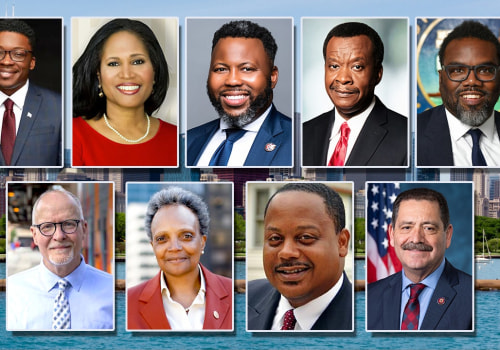
The landscape of police reform in Chicago is complex and fraught with challenges that have persisted for decades. Recent events, including high-profile incidents of police violence and systemic issues within the Chicago Police Department (CPD), have ignited a renewed urgency for reform. Community members are increasingly vocal about their concerns regarding police accountability, transparency, and the need for improved community relations. As a result, political candidates in Chicago, Illinois, are now prioritizing these issues in their platforms, recognizing that public safety cannot be achieved without the trust and cooperation of the communities they serve. Key issues surrounding Chicago police include allegations of racial profiling, excessive use of force, and a lack of adequate mental health resources for both officers and community members.
These problems have led to a significant erosion of trust between the police and the communities they are meant to protect. Candidates are increasingly aware that addressing these concerns is not just a matter of policy but also a crucial step toward healing the deep-seated divisions that exist within the city. The call for reform is not merely about changing laws; it is about fostering an environment where community voices are heard and respected. As we delve deeper into this topic, it becomes clear that the future of policing in Chicago hinges on the ability of political candidates to propose actionable solutions that resonate with constituents. From advocating for community oversight boards to implementing training programs focused on de-escalation techniques, the strategies put forth by these candidates will play a pivotal role in shaping the relationship between law enforcement and the communities they serve.
Understanding this current landscape is essential for grasping why police reform has become a central issue in Chicago's political discourse.
Key Political Candidates and Their Stances on Police Reform
As the 2023 election approaches, political candidates in Chicago, Illinois are increasingly vocal about their positions on police reform and community relations. Each candidate brings a unique perspective and set of proposals aimed at addressing the complex issues surrounding law enforcement in the city.- Candidate A: This candidate advocates for a comprehensive review of police practices, emphasizing the need for increased transparency and accountability. They propose the establishment of an independent oversight board to investigate police misconduct and ensure that community voices are heard in the decision-making process.
- Candidate B: Focused on community engagement, Candidate B plans to implement community policing initiatives that foster better relationships between officers and residents. Their platform includes training programs for officers on cultural competency and de-escalation techniques to reduce tensions during interactions with the public.
- Candidate C: This candidate is pushing for significant budget reallocations, suggesting that funds currently allocated to the police department be redirected towards mental health services and youth programs.
They argue that investing in community resources will lead to a decrease in crime rates and improve overall public safety.
- Candidate D: With a focus on legislative reform, Candidate D aims to introduce new laws that would limit the use of force by police officers. They also support measures to enhance data collection on police encounters, which would help identify patterns of misconduct and inform future policy changes.
Community Engagement: How Candidates Plan to Involve Residents
In the wake of ongoing discussions surrounding police reform, political candidates in Chicago, Illinois are increasingly recognizing the importance of community engagement as a cornerstone of their platforms. By actively involving residents in the conversation, candidates aim to foster trust and transparency between law enforcement and the communities they serve.One of the primary methods candidates are employing to engage with residents is through public forums.These forums provide a space for community members to voice their concerns, share personal experiences, and propose solutions regarding police practices. Candidates are not only attending these events but also facilitating them, ensuring that all voices are heard. This approach allows for a more democratic process where residents feel empowered to contribute to the dialogue on police reform.Additionally, many candidates are leveraging technology to enhance resident involvement. Online surveys and social media platforms are being utilized to gather feedback from a broader audience.
This digital engagement is particularly crucial in reaching younger constituents who may be less likely to attend in-person meetings. By creating accessible channels for communication, candidates can better understand the diverse perspectives within their communities.Moreover, some candidates are proposing the establishment of community advisory boards that would include residents from various neighborhoods. These boards would serve as a liaison between the community and law enforcement agencies, ensuring that community concerns are directly communicated to police leadership. This initiative not only promotes accountability but also helps build lasting relationships between officers and residents.In summary, political candidates in Chicago, Illinois are prioritizing community engagement as a vital strategy for addressing police reform.
Through public forums, digital outreach, and the creation of advisory boards, they aim to cultivate an inclusive environment where residents can actively participate in shaping the future of policing in their city.
Challenges and Criticisms Facing Candidates on Police Reform
The landscape of police reform in Chicago is fraught with challenges and criticisms that political candidates must navigate carefully. As they propose reforms, they face a complex web of public opinion, historical context, and the realities of law enforcement practices.Public Opinion and Trust Issues
- Many residents express skepticism about the effectiveness of proposed reforms, stemming from a long history of police misconduct and community distrust.
- Candidates must address these concerns head-on, often facing backlash if their proposals are perceived as insufficient or overly ambitious.
Political Pressure and Accountability
- Political candidates in Chicago are under immense pressure from various stakeholders, including community activists, law enforcement unions, and local government officials.
- Balancing the demands of these groups while maintaining a clear vision for reform can lead to criticisms of inconsistency or lack of commitment.
Implementation Challenges
- Even well-received proposals can falter during implementation due to budget constraints, bureaucratic hurdles, or resistance from within the police force.
- Candidates must not only propose reforms but also outline realistic plans for how these changes will be enacted and funded.
Criticism from Opponents
- Opponents often seize on any perceived weaknesses in a candidate's reform agenda, using them as ammunition in campaigns.
- This can create a cycle where candidates feel pressured to adopt more extreme positions to appease their base, potentially alienating moderate voters.
Comparative Analysis: Chicago vs. Other Cities' Approaches to Police Reform
When examining the police reform strategies of political candidates in Chicago, Illinois, it is essential to compare these approaches with those implemented in other major cities across the United States.This comparative analysis not only highlights the unique challenges faced by Chicago but also sheds light on effective practices that could be adopted.
Chicago's Unique Challenges
Chicago has a long history of complex community-police relations, marked by incidents of violence and systemic issues within the police force. Recent reforms have focused on increasing transparency, accountability, and community engagement. However, the effectiveness of these measures is often scrutinized in light of ongoing tensions.Comparative Approaches
- New York City: NYC has implemented a series of reforms aimed at reducing stop-and-frisk practices and enhancing community policing. The city has invested in training programs that emphasize de-escalation techniques and cultural competency.
- Los Angeles: The LAPD has adopted a model that includes independent oversight and community advisory boards.
This approach encourages direct input from residents, fostering trust and collaboration.
- Seattle: Seattle's police reform efforts have focused on integrating mental health professionals into policing strategies. This model aims to address crises without resorting to force, a practice that could be beneficial for Chicago as well.
Best Practices for Police Reform
Several best practices emerge from these cities that could inform the strategies of political candidates in Chicago, Illinois. These include:- Community Engagement: Actively involving community members in policy-making processes can lead to more effective and accepted reforms.
- Data Transparency: Sharing data on police interactions with the public can build trust and accountability.
- Crisis Intervention Training: Equipping officers with skills to handle mental health crises can reduce violent encounters.
Future Implications: What Successful Police Reform Could Mean for Chicago
As political candidates in Chicago, Illinois propose various strategies for police reform, the potential outcomes of these initiatives could significantly reshape community dynamics and public safety. Successful police reform could lead to a more transparent and accountable law enforcement system, fostering trust between the police and the communities they serve.One of the most promising implications of effective police reform is the enhancement of community safety in Chicago.By implementing community policing strategies, officers can build relationships with residents, leading to a collaborative approach to crime prevention. This shift not only empowers communities but also encourages citizens to engage actively in public safety efforts.Moreover, successful reforms could result in a decrease in crime rates. When communities feel safe and supported by their local police, they are more likely to report crimes and cooperate with law enforcement. This partnership can create a virtuous cycle where improved relations lead to better policing outcomes.Additionally, the financial implications of successful police reform cannot be overlooked.
A well-functioning police department that prioritizes community engagement may reduce costs associated with litigation and excessive use-of-force incidents. This financial relief could allow for reinvestment in community programs that address root causes of crime, such as education and mental health services.Furthermore, as political candidates in Chicago, Illinois advocate for reforms that prioritize equity and justice, there is potential for broader societal change. Successful reforms can serve as a model for other cities grappling with similar issues, positioning Chicago as a leader in progressive policing practices.In conclusion, the future of police reform in Chicago holds significant promise. By focusing on community relations and accountability, political candidates can pave the way for a safer, more equitable city where residents feel valued and protected.
FAQs About Political Candidates and Police Reform in Chicago
As the conversation around police reform and community relations intensifies in Chicago, many residents have questions about the positions and plans of political candidates in Chicago, Illinois.Here are some frequently asked questions that can help clarify these important issues.
What are the main police reform proposals from candidates?
Many candidates have outlined specific proposals aimed at reforming the police force. Common themes include:- Increased accountability: Proposals often focus on establishing independent oversight boards to review police conduct.
- Community policing initiatives: Candidates advocate for programs that foster better relationships between officers and community members.
- Training and education: Enhanced training programs for officers on de-escalation techniques and cultural competency are frequently mentioned.
How do candidates plan to engage with the community?
Engagement with the community is a critical aspect of police reform. Candidates propose various methods to ensure that community voices are heard, including:- Town hall meetings: Regularly scheduled forums where residents can express their concerns and suggestions directly to candidates and police officials.
- Surveys and feedback mechanisms: Implementing tools for residents to provide feedback on police interactions and community safety.
- Partnerships with local organizations: Collaborating with community groups to develop tailored solutions for specific neighborhoods.
What challenges do candidates face in implementing reforms?
Candidates acknowledge several challenges in enacting meaningful reforms, such as:- Lack of funding: Many proposed reforms require significant financial investment, which can be a barrier.
- Political opposition: Some reforms may face resistance from various stakeholders, including law enforcement unions.
- Cultural resistance within the police force: Changing long-standing practices and attitudes within the department can be difficult.