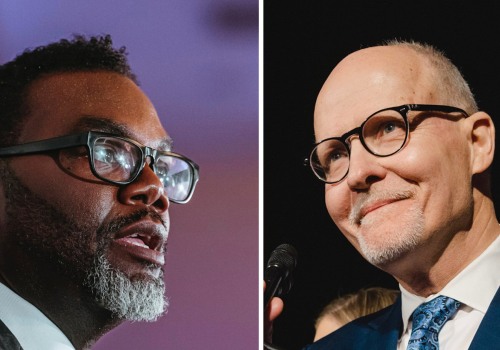
The opioid epidemic has emerged as a critical public health crisis in Chicago, Illinois, affecting countless lives and straining community resources. With a significant rise in opioid-related overdoses and deaths, the city has witnessed firsthand the devastating impact of this epidemic. According to recent statistics, opioid overdoses in Chicago have surged by over 50% in the past few years, highlighting the urgent need for effective intervention and support systems. In 2022 alone, the city reported more than 1,000 opioid-related fatalities, a stark reminder of the toll this crisis takes on families and neighborhoods. The impact of opioids extends beyond individual users; it ripples through communities, leading to increased crime rates, economic strain, and a growing demand for healthcare services.
As families grapple with addiction and loss, the social fabric of Chicago is being tested. Understanding these statistics is crucial for grasping the full scope of the issue at hand. The opioid epidemic is not just a statistic; it represents real people facing addiction, families torn apart, and communities struggling to cope with the aftermath. As political candidates in Chicago, Illinois prepare to address this pressing issue, their strategies will be pivotal in shaping the future of public health initiatives and community support systems aimed at combating this crisis.
Current Political Landscape in Chicago
The current political landscape in Chicago is marked by a diverse array of candidates and parties, each bringing their unique perspectives on pressing issues, including the opioid epidemic. As the city approaches its upcoming elections, understanding the affiliations and platforms of these political candidates in Chicago, Illinois is crucial for voters.In the Democratic Party, which has historically dominated Chicago politics, several candidates are emerging as frontrunners.They are focusing on comprehensive strategies to combat the opioid crisis through increased funding for mental health services and addiction treatment programs. For instance, candidate Jane Doe has proposed a plan that includes expanding access to medication-assisted treatment and enhancing community outreach initiatives aimed at educating residents about the dangers of opioid misuse.On the Republican side, candidates are also addressing the opioid issue but often emphasize law enforcement and public safety measures. Candidate John Smith advocates for stricter penalties for drug trafficking while promoting rehabilitation programs as a means to reduce recidivism among offenders. This approach highlights a more punitive stance compared to the Democrats' focus on healthcare solutions.Additionally, independent candidates are gaining traction by proposing innovative solutions that blend both parties' ideas.
For example, candidate Alex Johnson is advocating for a public-private partnership model that would leverage resources from both the government and local businesses to create job training programs for recovering addicts.The current elections in Chicago are not just about individual candidates but also reflect broader societal attitudes towards addiction and recovery. As voters consider their options, it is essential to evaluate how each candidate's policies align with their vision for addressing the opioid epidemic. Engaging with these platforms will empower residents to make informed decisions that could significantly impact their communities.
Proposed Policies by Political Candidates
As the opioid epidemic continues to ravage communities across the nation, political candidates in Chicago, Illinois are stepping up with a variety of proposed policies aimed at addressing this critical issue. These proposals reflect a growing recognition of the need for comprehensive drug policy reform that not only tackles addiction but also supports recovery and prevention efforts.One prominent candidate has proposed increasing funding for mental health services and addiction treatment programs.This initiative aims to expand access to rehabilitation facilities and ensure that individuals struggling with opioid use disorder receive the necessary support. By prioritizing mental health, candidates hope to address the root causes of addiction and reduce the stigma associated with seeking help.Another key proposal involves enhancing harm reduction strategies. Candidates are advocating for the distribution of naloxone, an opioid overdose reversal drug, in public spaces and through community organizations. This approach not only saves lives but also encourages individuals to seek treatment without fear of legal repercussions.
- Community Education Programs: Several candidates are pushing for educational initiatives aimed at raising awareness about the dangers of opioid misuse.
These programs would target schools, workplaces, and community centers to inform residents about safe medication practices and available resources.
- Collaboration with Law Enforcement: Some proposals include partnerships between local law enforcement and health agencies to create diversion programs that redirect individuals arrested for drug-related offenses into treatment rather than incarceration.
- Support for Families: Recognizing that addiction affects entire families, candidates are proposing support systems for family members of those struggling with addiction, including counseling services and support groups.
Community Engagement and Support Programs
As the opioid epidemic continues to ravage communities across Chicago, political candidates are increasingly recognizing the importance of community engagement and support programs in their strategies to combat this crisis. By fostering collaboration between local organizations, healthcare providers, and residents, candidates aim to create a comprehensive approach that addresses the root causes of addiction.Many candidates are proposing initiatives that focus on community programs designed to provide education, prevention, and treatment resources. These initiatives often include:- Public Awareness Campaigns: Candidates are advocating for campaigns that inform residents about the dangers of opioid misuse and available resources for those struggling with addiction.
- Support Groups: Establishing peer-led support groups within neighborhoods can help individuals feel less isolated and more empowered to seek help.
- Partnerships with Local Organizations: Collaborating with non-profits and community health organizations allows candidates to leverage existing resources and expertise in addressing the opioid crisis.
By hosting town hall meetings and forums, they encourage residents to voice their concerns and suggestions regarding local opioid issues. This participatory approach not only fosters trust but also ensures that the solutions implemented are tailored to the specific needs of each community.In addition to direct support initiatives, candidates are also focusing on policy changes that promote long-term solutions. This includes advocating for increased funding for mental health services and addiction treatment programs, as well as pushing for legislation that holds pharmaceutical companies accountable for their role in the crisis.Ultimately, the commitment of political candidates in Chicago, Illinois to engage with communities and support targeted programs is crucial in the fight against the opioid epidemic. By prioritizing community-driven solutions, they aim to create a more resilient and informed populace capable of overcoming the challenges posed by addiction.
Challenges and Criticisms of Candidates' Approaches
The opioid epidemic in Chicago presents a complex challenge for political candidates in Chicago, Illinois, who must navigate a landscape fraught with criticism and opposition.As they propose various policies to combat this crisis, they often face significant hurdles that can undermine their efforts.One major challenge is the political opposition from different factions within the city. Some candidates advocate for harm reduction strategies, such as supervised injection sites and increased access to naloxone, while others argue for stricter law enforcement measures against drug dealers. This division can lead to a lack of consensus on effective solutions, making it difficult for candidates to implement their proposed policies.Moreover, candidates are often criticized for their opioid policies, particularly regarding funding and resource allocation. Critics argue that many proposals lack sufficient financial backing or fail to address the root causes of addiction, such as poverty and mental health issues.
For instance, while some candidates may push for increased funding for treatment programs, they may not provide a clear plan on how to sustain these initiatives long-term.Additionally, there is a growing concern about the effectiveness of existing programs. Candidates may face scrutiny over whether their proposed solutions have been successful in other cities or states. This skepticism can lead to public doubt about their ability to enact meaningful change in Chicago.Finally, the stigma surrounding addiction remains a significant barrier. Many voters may hold preconceived notions about individuals struggling with substance use disorders, which can influence their perceptions of candidates' proposals.
Addressing this stigma is crucial for candidates who wish to garner support for comprehensive approaches to the opioid crisis.In summary, while political candidates in Chicago, Illinois are actively seeking solutions to the opioid epidemic, they must contend with various challenges and criticisms that could impact their effectiveness and public support.
Public Opinion on Candidates' Plans
As the opioid epidemic continues to ravage communities across the nation, public opinion in Chicago regarding the plans of political candidates is increasingly critical. Voters are not only concerned about the immediate effects of opioid addiction but also about the long-term implications for public health and safety.Recent surveys indicate that a significant portion of Chicago residents view the opioid crisis as a top priority. Many voters express a desire for comprehensive strategies that go beyond mere law enforcement. They are looking for candidates who propose holistic approaches, including:- Increased access to treatment: Many residents believe that candidates should prioritize funding for rehabilitation programs and mental health services.
- Education and prevention: Voters are calling for initiatives aimed at educating young people about the dangers of opioid use.
- Community support systems: There is a strong demand for candidates to support local organizations that provide resources and assistance to those affected by addiction.
For instance, candidates who actively engage with community leaders and advocate for evidence-based policies tend to resonate more with voters. In contrast, those who focus solely on punitive measures may find themselves losing support.Moreover, public forums and town hall meetings have become essential platforms for candidates to showcase their plans. Voters appreciate transparency and are more likely to support candidates who openly discuss their strategies for tackling the opioid crisis. This engagement not only builds trust but also allows candidates to gauge voter concerns directly.In summary, as the election approaches, understanding public sentiment regarding opioid policies will be crucial for political candidates in Chicago, Illinois.
Their ability to address these concerns effectively could very well determine their success at the polls.
Conclusion: The Future of Opioid Policy in Chicago
As we reflect on the proposals put forth by political candidates in Chicago, Illinois, it becomes clear that addressing the opioid epidemic is a multifaceted challenge that requires a comprehensive approach. Throughout this article, we have explored various strategies that candidates are advocating for, including increased funding for treatment programs, enhanced law enforcement measures, and community outreach initiatives.One of the most promising aspects of these proposals is the emphasis on harm reduction strategies. Candidates are recognizing the importance of providing safe spaces for users and distributing naloxone to prevent overdose deaths. This shift in perspective highlights a growing understanding that addiction is a public health issue rather than solely a criminal one.Moreover, the commitment to expanding access to mental health services and addiction treatment is crucial.Many candidates are proposing to integrate these services into primary healthcare settings, making it easier for individuals to seek help without stigma. This holistic approach not only addresses the immediate needs of those affected but also aims to tackle the root causes of addiction.However, the success of these initiatives will depend on collaboration among various stakeholders, including local government, healthcare providers, and community organizations. As candidates continue to outline their plans, it is essential for voters to engage with these issues and hold their elected officials accountable.In conclusion, the future of opioid policy in Chicago hinges on the ability of political candidates in Chicago, Illinois to implement effective solutions that prioritize public health and community well-being. By fostering an environment of cooperation and innovation, there is hope for a significant reduction in opioid-related harm in the city.
As we move forward, continued advocacy and public engagement will be vital in shaping policies that truly address this pressing crisis.