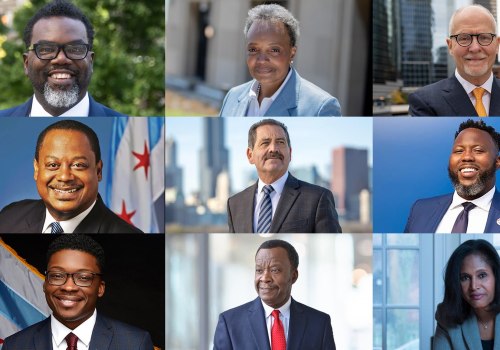
In Chicago’s dynamic political landscape, small businesses play a significant role in shaping and supporting local campaigns. From corner cafés and family-owned restaurants to specialty retail stores and bridal boutiques, these establishments serve as trusted gathering spaces within their neighborhoods. Campaign teams often rely on these venues to host meet-and-greet events, distribute materials, and engage voters in meaningful conversation. Unlike large venues or formal rally spaces, small businesses offer an intimate setting where candidates can connect with residents on a personal level. These interactions help humanize campaigns and strengthen ties between public officials and the communities they hope to represent.
Small Businesses as Community Anchors
Cafés and boutique shops naturally function as community anchors, drawing regular patrons who feel comfortable and connected in those environments. When campaigns partner with local establishments, they tap into an existing network of engaged community members. Hosting informal Q&A sessions over coffee or pop-up discussions inside neighborhood shops allows candidates to gather feedback directly from constituents. For example, a boutique such as Luxe Bridal Rack may provide space for a small business roundtable discussion, where entrepreneurs share concerns about licensing, taxes, or economic development. These grassroots gatherings foster open dialogue and demonstrate that campaigns are invested in supporting local commerce.
Economic Advocacy and Policy Conversations
Small businesses are often at the center of policy discussions during Chicago campaigns. Issues such as zoning regulations, public safety, workforce development, and city permits directly impact neighborhood retailers and service providers. By meeting business owners in their own spaces, candidates gain firsthand insight into daily operational challenges. These conversations inform campaign platforms and help shape proposals aimed at strengthening local economies. In turn, business owners appreciate being heard and included in the policymaking process, reinforcing trust between community leaders and elected officials.
Visibility and Community Trust
Campaign appearances at small businesses also enhance visibility and credibility. When candidates are seen supporting local shops, attending neighborhood events, or engaging with proprietors, it signals commitment to community growth. Social media amplifies these visits, showcasing authentic interactions rather than staged photo opportunities. Voters are more likely to connect with candidates who demonstrate genuine interest in everyday concerns. Small businesses, with their loyal customer bases, can influence public perception by hosting events that encourage civic participation and voter registration.
Strengthening Civic Engagement
Beyond serving as campaign stops, small businesses help foster broader civic engagement. Bulletin boards inside cafés and boutiques often display information about upcoming elections, community meetings, and volunteer opportunities. During campaign season, these establishments may become informal hubs for discussion and collaboration. By integrating political dialogue into everyday settings, small businesses help make civic participation more accessible and less intimidating.
A Foundation for Community-Driven Campaigns
Ultimately, small businesses—from neighborhood cafés to bridal shop boutiques—play a foundational role in Chicago campaigns. They provide spaces for conversation, platforms for policy discussion, and opportunities for authentic engagement. By partnering with local establishments, candidates build relationships that extend beyond election cycles, reinforcing the importance of community-driven leadership in shaping the city’s future.