Chicago, a city known for its rich history and vibrant culture, is also grappling with a pressing issue: economic inequality. This disparity manifests in various forms, from access to quality education and healthcare to job opportunities and housing. As the gap between the affluent and the underprivileged widens, it becomes increasingly crucial for political candidates in Chicago, Illinois to address these challenges head-on. The upcoming elections present a pivotal moment for candidates to outline their strategies for tackling this complex issue that affects millions of residents, especially considering the Impact of Political Leaders on Voter Turnout.The landscape of to address these challenges head-on. The upcoming elections present a pivotal moment for candidates to outline their strategies for tackling this complex issue that affects millions of residents, especially considering the Impact of Political Leaders on Voter Turnout. The landscape of Chicago politics is dynamic, with candidates from diverse backgrounds proposing a range of solutions aimed at reducing economic disparities.
From progressive taxation policies to increased funding for public services, the approaches vary significantly. However, what remains constant is the urgent need for actionable plans that resonate with the electorate's concerns. Voters are not just looking for promises; they seek tangible commitments that can lead to real change in their communities. As we delve deeper into this topic, it is essential to explore how these political candidates plan to bridge the economic divide and foster a more equitable society. Understanding their proposals will not only inform voters but also highlight the critical role of leadership in shaping Chicago's future.
With the stakes higher than ever, the conversation around economic inequality is not just a political issue; it is a matter of social justice that demands immediate attention.
Current State of Economic Inequality in Chicago
Chicago, Illinois, is currently grappling with significant economic inequality, a challenge that has been exacerbated by various factors including the COVID-19 pandemic, systemic racism, and a lack of access to quality education and employment opportunities. According to recent data from the U. S. Census Bureau, the city has a Gini coefficient of approximately 0.48, indicating a high level of income inequality compared to the national average of 0.41.Statistics reveal that while the wealthiest households in Chicago have seen their incomes rise, many low-income families continue to struggle.For instance, the median household income in affluent neighborhoods can exceed $100,000, while in some predominantly minority areas, it hovers around $30,000. This stark contrast highlights the disparities that exist within the city.The impact of this economic inequality is profound and multifaceted:
- Social Disparities: Communities with high levels of poverty often experience increased crime rates and lower educational attainment.
- Health Outcomes: Economic inequality correlates with poorer health outcomes, as low-income individuals may lack access to healthcare and nutritious food.
- Economic Mobility: Children raised in low-income households face significant barriers to upward mobility, perpetuating the cycle of poverty.
Key Political Candidates Addressing Economic Inequality
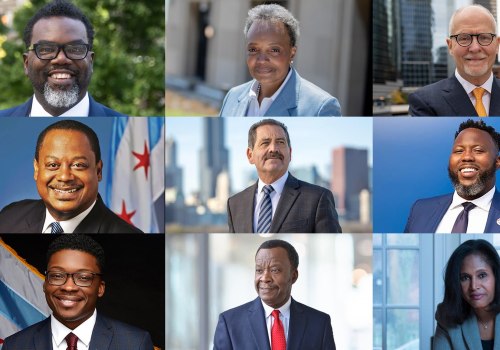
In the vibrant political landscape of Chicago, Illinois, several candidates are stepping up to tackle the pressing issue of economic inequality. These individuals are not only aware of the disparities affecting their constituents but are also proposing actionable solutions to bridge the gap. One prominent figure is Brandon Johnson , a candidate for mayor who has made economic equity a cornerstone of his campaign.Johnson advocates for increased funding in public education and affordable housing initiatives, aiming to uplift marginalized communities. His platform emphasizes the importance of creating job opportunities through local businesses and investing in workforce development programs. Another key candidate is Susana Mendoza , the current City Comptroller, who has been vocal about the need for fiscal responsibility while addressing social issues. Mendoza proposes a comprehensive review of city budgets to ensure that funds are allocated towards programs that directly benefit low-income families, such as healthcare and childcare services. Additionally, Jesse White , the Secretary of State, has focused on economic empowerment through education and vocational training. His initiatives aim to equip young people with the skills necessary to thrive in a competitive job market, thereby reducing long-term economic disparities. These candidates represent a growing movement among political candidates in Chicago, Illinois who recognize that addressing economic inequality is not just a moral imperative but also essential for the city’s overall prosperity.
By prioritizing policies that promote equity and inclusion, they hope to create a more just society for all residents.
- Brandon Johnson: Focuses on education and job creation.
- Susana Mendoza: Advocates for fiscal responsibility and social program funding.
- Jesse White: Emphasizes vocational training and youth empowerment.
Proposed Policies and Initiatives
In the ongoing battle against economic inequality, political candidates in Chicago, Illinois are proposing a variety of policies and initiatives aimed at creating a more equitable society. These proposals reflect a growing recognition of the disparities that exist within the city and the urgent need for actionable solutions.- Progressive Tax Reforms: Many candidates advocate for a progressive tax system that would increase taxes on higher income brackets while providing relief to low- and middle-income families. This approach aims to generate additional revenue that can be reinvested into community services and infrastructure.
- Affordable Housing Initiatives: Addressing the housing crisis is a priority for several candidates. Proposed initiatives include increasing funding for affordable housing projects, implementing rent control measures, and providing incentives for developers to create low-income housing units.
- Job Training Programs: To combat unemployment and underemployment, candidates are proposing enhanced job training programs that focus on skills development in high-demand industries.
These programs aim to equip residents with the necessary skills to secure well-paying jobs.
- Minimum Wage Increases: A common proposal among candidates is raising the minimum wage to ensure that all workers earn a living wage. This initiative is seen as a crucial step toward reducing poverty and improving the quality of life for many Chicagoans.
- Support for Small Businesses: Recognizing the role of small businesses in economic growth, candidates are suggesting policies that provide grants and low-interest loans to local entrepreneurs, particularly those from marginalized communities. This support aims to stimulate job creation and economic development.
Community Reactions and Support for Candidates' Plans
As political candidates in Chicago, Illinois unveil their plans to tackle economic inequality, community reactions have been varied and passionate.Many residents express a strong desire for change, particularly in neighborhoods that have historically faced economic challenges.
Public opinion
is increasingly leaning towards candidates who prioritize comprehensive policies aimed at reducing the wealth gap.Community support for candidates often hinges on their proposed solutions. For instance, candidates advocating for increased funding in education and job training programs have garnered significant backing from local organizations and grassroots movements. These initiatives resonate with residents who believe that education is a critical pathway to economic mobility.Reactions to Inequality Policies
Reactions to specific inequality policies vary widely.Some community members are enthusiastic about proposals for affordable housing developments, viewing them as essential to stabilizing neighborhoods and providing opportunities for low-income families. Others, however, express skepticism about the feasibility of these plans, questioning whether they will be implemented effectively or if they are merely campaign rhetoric.
- Support for Job Creation: Many residents are particularly supportive of candidates who propose job creation initiatives, especially in sectors that can provide sustainable employment.
- Concerns Over Tax Increases: Conversely, there are concerns regarding potential tax increases that may accompany funding for social programs. Some community members fear that these taxes could disproportionately affect middle-class families.
This level of engagement not only reflects the community's commitment to addressing inequality but also influences the political landscape as candidates adjust their platforms based on public sentiment.Ultimately, the success of political candidates in Chicago will depend on their ability to connect with the community and demonstrate a genuine commitment to addressing economic disparities. As the election approaches, it will be essential for candidates to listen to the voices of their constituents and adapt their strategies accordingly.
Challenges Faced by Candidates in Addressing Economic Inequality
Political candidates in Chicago, Illinois, face a myriad of challenges when attempting to address economic inequality. These challenges stem from both systemic issues and the political landscape itself, making it difficult for candidates to propose and implement effective solutions.- Political Polarization: The current political climate is highly polarized, which can hinder bipartisan support for policies aimed at reducing inequality. Candidates may find it challenging to rally support across party lines, limiting their ability to enact comprehensive reforms.
- Funding Constraints: Many candidates struggle with funding their proposed initiatives.
Economic inequality often requires significant investment in social programs, education, and infrastructure. However, budget constraints and competing priorities can lead to insufficient resources for these essential programs.
- Public Perception: Candidates must navigate public opinion, which can be influenced by misinformation or a lack of understanding about economic inequality. If constituents do not perceive inequality as a pressing issue, candidates may hesitate to prioritize it in their platforms.
- Bureaucratic Hurdles: Implementing policies to address economic inequality often involves navigating complex bureaucratic systems. Candidates may encounter resistance from established institutions that are reluctant to change or adapt to new policies.
- Long-Term Commitment: Addressing economic inequality is not a quick fix; it requires sustained effort over time.
Candidates may face pressure to deliver immediate results, which can lead them to prioritize short-term solutions over long-term strategies that could be more effective.
Future Outlook: What’s Next for Chicago’s Economic Policies?
As Chicago approaches its upcoming elections, the political candidates in Chicago, Illinois are increasingly focused on addressing the pressing issue of economic inequality. The future of economic policies in the city will likely hinge on the candidates' ability to propose innovative solutions that resonate with voters who are feeling the effects of widening wealth gaps.One potential area of focus is the implementation of progressive taxation.Candidates may advocate for tax reforms that ensure higher earners contribute a fairer share, which could then be reinvested into community programs aimed at uplifting low-income neighborhoods. This approach not only addresses immediate financial disparities but also fosters long-term economic growth.Moreover, as discussions around affordable housing gain momentum, candidates are expected to propose policies that promote equitable development. This could include zoning reforms that encourage mixed-income housing projects and initiatives aimed at preventing displacement of long-term residents. By prioritizing affordable housing, candidates can directly tackle one of the most visible aspects of economic inequality.In addition to these strategies, there is a growing recognition among candidates that job creation must be a cornerstone of any effective economic policy.
This could involve partnerships with local businesses to create training programs that equip residents with skills needed in emerging industries. Such initiatives not only provide immediate employment opportunities but also contribute to a more skilled workforce in the long run.The impact of these upcoming elections on inequality will largely depend on voter engagement and advocacy for these issues. As constituents demand accountability and action from their leaders, it is crucial for candidates to articulate clear, actionable plans that address both short-term needs and long-term solutions.Ultimately, the future of economic policies in Chicago will be shaped by the collective will of its citizens and their elected officials. As we look ahead, it is essential for all stakeholders to remain vigilant and proactive in pushing for policies that promote equity and opportunity for all Chicagoans.
Conclusion: Summarizing Candidates' Approaches to Economic Inequality
In conclusion, the approaches taken by political candidates in Chicago, Illinois to tackle economic inequality reflect a diverse array of strategies and priorities.Throughout this discussion, we have seen how candidates are not only aware of the pressing issues surrounding economic disparity but are also actively proposing solutions that aim to create a more equitable society. Many candidates emphasize the importance of affordable housing as a cornerstone of their platforms. By advocating for policies that increase the availability of low-income housing and support for renters, they aim to alleviate one of the most significant burdens faced by economically disadvantaged communities. Additionally, there is a strong focus on education reform. Candidates recognize that access to quality education is crucial for breaking the cycle of poverty. Proposals include increased funding for public schools in low-income neighborhoods and initiatives aimed at making higher education more accessible through scholarships and community college programs. Furthermore, candidates are increasingly addressing the need for job creation and workforce development.
By promoting local businesses and investing in job training programs, they seek to empower residents with the skills necessary to thrive in a changing economy. Lastly, many candidates are advocating for progressive taxation as a means to redistribute wealth more fairly. This approach aims to ensure that those who can afford to contribute more do so, thereby funding essential services that benefit all citizens. Overall, while the specific proposals may vary, the overarching theme among political candidates in Chicago, Illinois is a commitment to addressing economic inequality through comprehensive and inclusive policies. As voters consider their options in upcoming elections, understanding these approaches will be crucial in making informed decisions that align with their values and priorities.