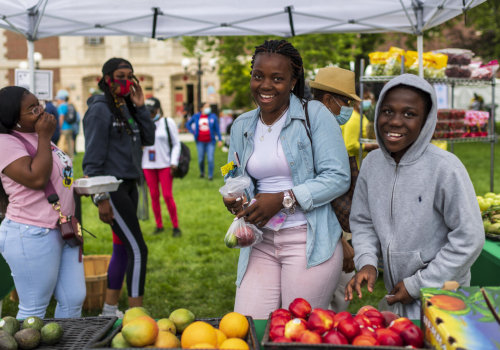
In the vibrant and diverse city of Chicago, Illinois, the political landscape is a reflection of its rich tapestry of cultures, ethnicities, and communities.
Diversity in Chicago politics
is not merely a buzzword; it is a fundamental aspect that shapes the policies and platforms of political candidates in Chicago, Illinois. As the city grapples with various social issues, candidates are increasingly recognizing the importance of addressing diversity and inclusion as core components of their campaigns. This shift is not only a response to the demographic realities of the city but also a strategic move to engage a broader electorate.Inclusion in political campaigns has become essential for candidates aiming to resonate with constituents from all walks of life. The electorate in Chicago is characterized by its multifaceted identities, including race, gender, socioeconomic status, and more. Candidates who prioritize inclusion are more likely to foster trust and build meaningful connections with voters. This section will explore how various political candidates are navigating these complex issues, implementing strategies that reflect their commitment to representing all Chicagoans.
As we delve deeper into this topic, we will examine specific examples of how candidates are addressing diversity and inclusion within their platforms. From grassroots initiatives to policy proposals aimed at dismantling systemic barriers, the actions taken by these candidates reveal much about their priorities and vision for an equitable future in Chicago. Understanding these dynamics is crucial for voters who seek to make informed decisions in an increasingly diverse political environment.
Historical Context of Diversity in Chicago Politics
The history of diversity in Chicago politics is a complex tapestry woven from the threads of various social movements, demographic shifts, and pivotal political figures. From the early 20th century, when waves of immigrants began to settle in Chicago, the city has been a melting pot of cultures, each contributing to its political landscape.One of the most significant milestones in this evolution was the election of Harold Washington as Chicago's first African American mayor in 1983. His administration marked a turning point, as it not only represented a breakthrough for racial diversity but also catalyzed a broader conversation about inclusion policies within the city’s governance.Washington's tenure emphasized the importance of representation and equity, setting a precedent for future political candidates in Chicago, Illinois.In the years following Washington's election, various political candidates began to address issues of diversity more explicitly. The rise of community organizations advocating for minority rights played a crucial role in shaping the platforms of these candidates. For instance, the Latino community, which has grown significantly in Chicago, has seen candidates like Jesse Ruiz and Susana Mendoza emerge as influential figures who prioritize inclusion and representation.The evolution of inclusion policies can also be traced through legislative changes aimed at promoting equity in hiring practices and public service appointments. Initiatives such as the Chicago Human Rights Ordinance, enacted in 1988, laid the groundwork for more comprehensive anti-discrimination laws that would influence how political candidates approach diversity today.Moreover, recent movements such as Black Lives Matter have further pressured political candidates to confront systemic inequalities and advocate for policies that promote social justice.
This ongoing dialogue reflects a growing recognition among candidates that addressing diversity is not merely a campaign strategy but a moral imperative that resonates with an increasingly diverse electorate.In summary, the historical context of diversity in Chicago politics reveals a dynamic interplay between social movements and political leadership. As candidates continue to navigate this landscape, their approaches to diversity and inclusion will undoubtedly shape the future of governance in this vibrant city.
Current Political Landscape: Candidates and Their Platforms
In the vibrant political landscape of Chicago, Illinois, candidates are increasingly prioritizing diversity and inclusion within their platforms. As the city is known for its rich cultural tapestry, the need for representation and equitable policies has become a focal point in recent campaigns.Many of the current political candidates in Chicago, Illinois are actively addressing these issues through various initiatives:- Diversity in Leadership: Candidates are advocating for greater representation of marginalized communities in leadership roles. This includes commitments to appoint individuals from diverse backgrounds to key positions within city government.
- Inclusive Policy Development: Campaigns are emphasizing the importance of involving community voices in policy-making processes.
This approach ensures that the needs and concerns of all residents, particularly those from underrepresented groups, are heard and addressed.
- Equitable Resource Allocation: Many candidates are proposing plans to allocate resources more equitably across neighborhoods, particularly those historically underserved. This includes investments in education, healthcare, and public safety that reflect the demographic diversity of the city.
- Cultural Competency Training: To foster an inclusive environment, some candidates are advocating for mandatory training on cultural competency for city employees. This initiative aims to improve interactions between government officials and diverse communities.
Others focus on enhancing access to city services for non-English speakers and ensuring that all community members can participate fully in civic life.As the election approaches, it is clear that issues of diversity and inclusion will play a critical role in shaping the future of Chicago's governance. Voters are increasingly looking for candidates who not only acknowledge these challenges but also present actionable solutions that reflect the city's commitment to equity.
Case Studies: Successful Diversity Initiatives by Candidates
In recent years, several political candidates in Chicago, Illinois have made significant strides in promoting diversity and inclusion through innovative initiatives. These case studies highlight effective strategies that not only resonate with the community but also foster a more inclusive political landscape.Case Study 1: Candidate A's Community Engagement Program
Candidate A launched a comprehensive community engagement program aimed at increasing representation among marginalized groups. This initiative included:- Town Hall Meetings: Regularly scheduled meetings in diverse neighborhoods to gather input and address concerns directly from residents.
- Partnerships with Local Organizations: Collaborating with grassroots organizations to ensure that the voices of underrepresented communities were heard in policy discussions.
- Mentorship Programs: Establishing mentorship opportunities for young leaders from diverse backgrounds to encourage their participation in politics.
Case Study 2: Candidate B's Inclusive Policy Framework
Candidate B focused on creating an inclusive policy framework that addressed systemic inequalities.Key elements of this framework included:
- Diversity Hiring Initiatives: Implementing policies that prioritize hiring from diverse candidate pools within city departments.
- Equitable Resource Allocation: Ensuring that city resources are distributed fairly across all neighborhoods, particularly those historically underserved.
- Cultural Competency Training: Mandating training for city employees to better understand and serve the diverse populations of Chicago.
Challenges Faced by Political Candidates in Promoting Diversity
Political candidates in Chicago, Illinois, encounter a myriad of challenges when striving to promote diversity and inclusion within their campaigns. These challenges are not only rooted in the political landscape but also reflect broader societal issues that can hinder progress.One significant barrier is the political opposition to diversity initiatives. Candidates often face resistance from established political factions that may view diversity efforts as a threat to their traditional power structures.This opposition can manifest in various forms, including negative campaigning, misinformation, and attempts to undermine the credibility of candidates advocating for inclusive policies.Additionally, there are systemic barriers that complicate the promotion of diversity. For instance:
- Lack of Representation: Many political candidates struggle to find diverse voices within their campaign teams or advisory boards, which can limit their understanding of the needs and concerns of underrepresented communities.
- Funding Disparities: Candidates advocating for diversity may find it challenging to secure funding compared to their counterparts who do not prioritize these issues. This financial gap can restrict their ability to reach wider audiences.
- Voter Apathy: In some cases, potential voters from diverse backgrounds may feel disillusioned or skeptical about the political process, leading to lower engagement levels. Candidates must work diligently to build trust and encourage participation.
Candidates promoting diversity often face scrutiny that can skew public opinion against them. Negative portrayals in the media can amplify existing biases and create an uphill battle for those committed to fostering an inclusive political environment.In conclusion, while the commitment to diversity and inclusion is essential for political candidates in Chicago, Illinois, they must navigate a complex web of challenges that include political opposition, systemic barriers, and media representation. Addressing these issues requires not only strategic campaigning but also a genuine commitment to engaging with all constituents.
Community Engagement: The Role of Voter Input on Diversity Issues
In Chicago, the engagement of the community plays a pivotal role in shaping how political candidates address issues of diversity and inclusion. As candidates prepare for elections, they often turn to the electorate to gauge public sentiment on these critical topics.This interaction not only informs their policies but also reflects the values and priorities of the constituents they aim to represent.
Community forums
, town hall meetings, and social media platforms serve as vital channels for voters to express their concerns and expectations regarding diversity issues. Candidates who actively seek out this input demonstrate a commitment to inclusivity, which can significantly influence their campaign strategies. For instance, when constituents voice the need for more representation of marginalized groups in local government, candidates may prioritize these issues in their platforms.Moreover, voter input on inclusion policies can lead to tangible changes in how candidates formulate their agendas. By listening to community feedback, candidates can identify specific areas where diversity initiatives are lacking.
This responsiveness not only enhances their credibility but also fosters a sense of trust among voters.
- Public opinion surveys are another tool that candidates utilize to understand voter perspectives on diversity.
- These surveys often reveal trends in public attitudes towards various demographic groups and highlight areas where voters feel underrepresented.
- Candidates who align their policies with these findings are more likely to resonate with a broader audience.
Future Trends: The Evolution of Diversity and Inclusion in Chicago Politics
As Chicago continues to evolve demographically, the political candidates in Chicago, Illinois are increasingly recognizing the importance of diversity and inclusion in their platforms. The city’s rich tapestry of cultures, ethnicities, and backgrounds is not just a backdrop but a vital component that shapes the political landscape.Looking ahead, several trends are likely to influence how candidates approach these issues.
Demographic Shifts and Representation
With the population of Chicago becoming more diverse, candidates will need to reflect this change in their campaigns. This means not only addressing the needs of various communities but also ensuring that their teams and advisory boards are representative of the city’s demographics. As younger voters become more engaged, their expectations for inclusive representation will drive candidates to adopt more progressive stances on social issues.Evolving Inclusion Strategies
Political candidates are expected to implement innovative strategies to promote inclusion. This could include:- Community Engagement: Actively involving community leaders in policy discussions and decision-making processes.
- Diverse Hiring Practices: Prioritizing diversity in campaign staff and leadership roles.
- Targeted Outreach: Developing outreach programs that specifically address the concerns of underrepresented groups.
Predictions for the Political Landscape
The future political landscape in Chicago may see a shift towards candidates who prioritize sustainability, equity, and social justice.As societal expectations evolve, those who fail to address issues of diversity may find themselves at a disadvantage. Furthermore, as technology continues to play a significant role in campaigning, candidates will likely leverage social media platforms to engage with diverse audiences more effectively.In conclusion, the trajectory for political candidates in Chicago, Illinois suggests a growing commitment to diversity and inclusion. As they adapt to changing demographics and societal norms, these candidates will not only shape their own futures but also influence the broader political climate in Chicago.
Conclusion: The Importance of Diversity and Inclusion in Political Campaigns
In conclusion, the role of political candidates in Chicago, Illinois in addressing issues of diversity and inclusion is not just a campaign strategy; it is a reflection of the city’s rich tapestry of cultures and communities. Throughout this article, we have explored how candidates are increasingly recognizing the importance of representing the diverse voices that make up their constituencies.As Chicago continues to evolve, the need for inclusive policies becomes more pressing.Candidates who prioritize diversity are not only appealing to a broader electorate but are also fostering a sense of belonging among marginalized groups. This approach can lead to:
- Enhanced Community Engagement: When candidates actively engage with diverse communities, they build trust and encourage participation in the political process.
- Policy Innovation: Diverse perspectives can lead to more comprehensive and effective policy solutions that address the unique challenges faced by various groups.
- Social Cohesion: Promoting inclusion helps bridge divides and fosters a sense of unity among residents, which is essential for a harmonious society.
The future of Chicago’s political landscape will depend on leaders who understand that true representation goes beyond mere numbers; it requires genuine commitment to uplifting all voices within the community.