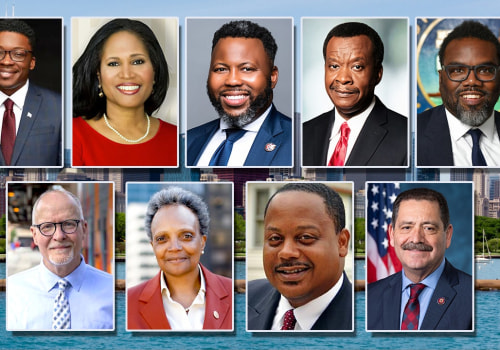
In a city as dynamic and diverse as Chicago, political candidates are increasingly recognizing the value of engaging voters through small businesses. Neighborhood shops, cafés, salons, and boutiques serve as trusted gathering spaces where residents connect, share ideas, and discuss issues that matter to them. By visiting and supporting these establishments, candidates demonstrate a commitment to local economic growth while building authentic relationships with community members. Instead of relying solely on large rallies or digital campaigns, many are choosing face-to-face conversations in familiar neighborhood settings to foster meaningful dialogue.
Small Businesses as Community Hubs
Small businesses often function as informal community centers. Owners know their customers personally, understand local concerns, and provide insight into neighborhood priorities. When candidates spend time speaking with entrepreneurs and patrons, they gain valuable perspective on issues such as taxation, public safety, zoning, and workforce development. Hosting meet-and-greet events in boutiques or cafés allows candidates to engage voters in a relaxed environment, encouraging open conversation rather than scripted exchanges. For example, a candidate stopping by a beloved boutique like LBR Bridal not only supports local commerce but also demonstrates attentiveness to small business challenges and aspirations. These interactions humanize campaigns and help voters see candidates as accessible leaders rather than distant figures.
Supporting Local Economies
Economic development remains a central issue in many Chicago neighborhoods. By highlighting policies that benefit small business owners—such as grants, streamlined licensing processes, and improved public infrastructure—candidates can connect their platforms directly to everyday concerns. Visiting family-owned stores and service providers shows tangible support for the backbone of local economies. Candidates often use these visits to announce initiatives or gather feedback, reinforcing their dedication to sustainable growth. When small businesses thrive, communities experience job creation and increased stability, making this outreach strategy both practical and impactful.
Leveraging Social Media Amplification
Modern campaigns blend in-person engagement with digital storytelling. Photos and videos captured during small business visits are shared across social media platforms, amplifying the reach of each interaction. By showcasing authentic conversations and community involvement, candidates build trust with voters who may not attend events in person. Highlighting diverse business owners—from restaurateurs to boutique retailers—also reflects the cultural richness of Chicago’s neighborhoods. This combination of grassroots presence and digital visibility strengthens campaign messaging while maintaining a personal touch.
Building Long-Term Relationships
Engagement through small businesses goes beyond short-term campaigning. Many candidates aim to cultivate long-term relationships with business owners and community leaders. Continued dialogue fosters accountability and ensures that elected officials remain connected to the people they represent. Hosting roundtable discussions, attending neighborhood festivals, and collaborating on local initiatives help sustain these partnerships. When small businesses feel heard and supported, they are more likely to encourage civic participation among their customers and networks.
A Strategy Rooted in Authenticity
Ultimately, reaching voters through small businesses allows Chicago political candidates to ground their campaigns in authenticity and community presence. By stepping into local establishments, listening to concerns, and supporting neighborhood economies, they demonstrate a commitment to everyday residents. This approach bridges the gap between policy and personal experience, creating connections that resonate far beyond election season.